The breadsticks are the easy part. It’s the sauces, the seasoning blends, and the timing that trip most home cooks up when they try to recreate Olive Garden at home. You end up with alfredo that breaks, soup that tastes flat, or chicken that’s dry by the time it hits the plate.
This list skips the guesswork. Each of these copycat Olive Garden recipes breaks down the exact steps and small details that make the restaurant version taste the way it does, from the salad dressing people ask for the recipe of, to the lasagna that actually holds together when you slice it.
You don’t need special equipment or a pantry full of rare ingredients. Most of these use what’s already in your kitchen, plus a handful of specific moves that make the difference between “close enough” and “tastes just like it.” Whether you’re planning a Sunday dinner or just want breadsticks that don’t come out dense, there’s something here for tonight’s menu.
1. Garlic Breadsticks That Actually Taste Like the Basket
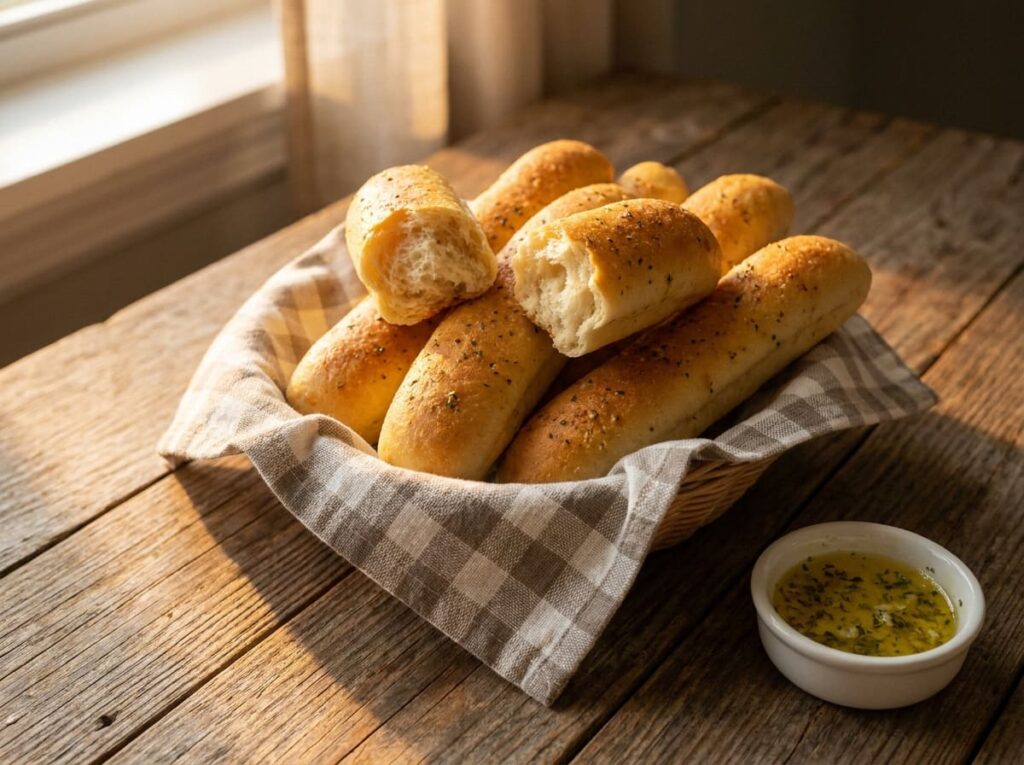
Store-bought breadstick mixes never get that soft, buttery outside right, and it usually comes down to what happens after the oven, not before it. The dough itself is simple. The garlic butter wash while the breadsticks are still hot is what actually carries the flavor.
Brush them twice, once right out of the oven and once a few minutes later as they cool slightly. That second coat is the part most recipes skip.
Serve them within the hour. They lose that just-baked pull the longer they sit on the counter.
2. The House Salad Dressing Everyone Asks About
Most copycat versions of this dressing taste close but a little flat, and it’s usually because they skip the Italian seasoning blooming in the oil first. Letting the dried herbs sit in warm oil for a few minutes before mixing everything else pulls out flavor that stays muted otherwise.
The other detail people miss is proportion. This dressing leans more acidic than a typical vinaigrette, which is part of what makes it taste familiar.
💡 Quick Tip
Make it at least an hour ahead. The flavor sharpens as the herbs sit in the oil and vinegar.
It keeps for about a week in the fridge, so it’s worth making a double batch.
3. Zuppa Toscana Without the Guesswork
A thin, watery zuppa toscana is usually a seasoning problem, not a recipe problem. The broth needs the fat rendered from the sausage to actually carry flavor, so draining it off before adding the cream is the mistake that flattens most versions.
Brown the sausage in the same pot you’ll build the soup in, and don’t rinse out the browned bits before adding your broth.
Thin broth, sausage flavor stuck to the pan instead of the soup.
Rich, savory broth with sausage flavor built into every spoonful.
Add the kale last, off the heat, so it stays bright instead of going limp.
4. Chicken Gnocchi Soup, Weeknight Version
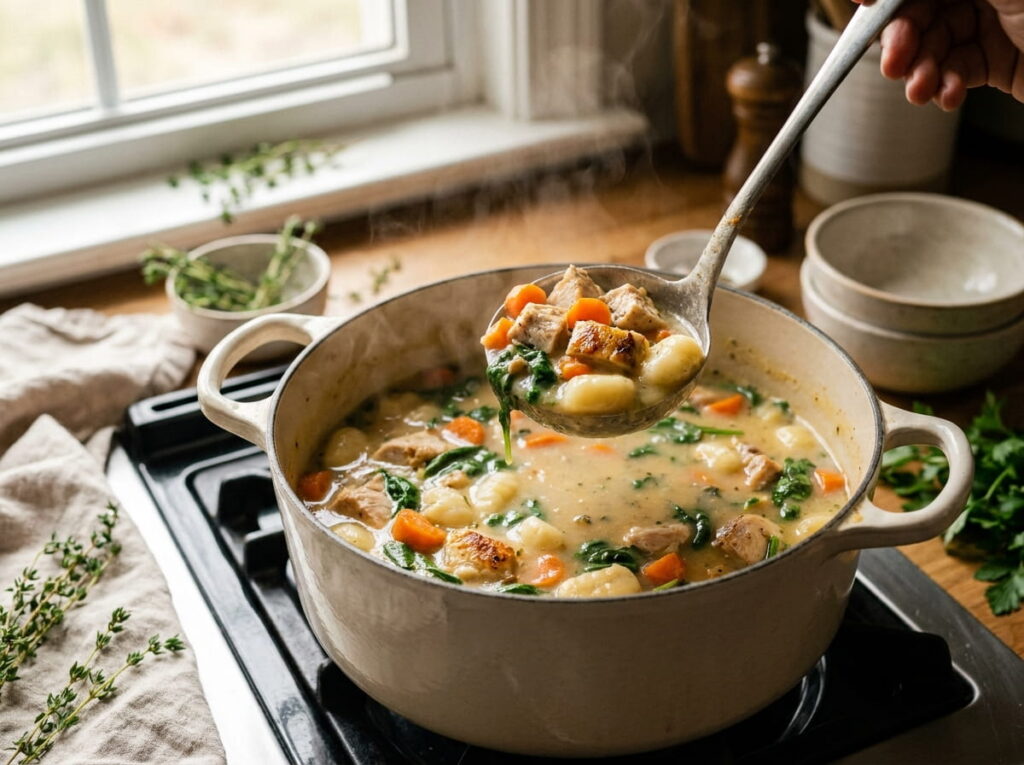
This one comes together fast once everything is prepped, which matters because the gnocchi only needs a few minutes in the broth before it turns mushy. Having the vegetables diced and the chicken shredded before you start the roux makes the whole thing move at the right pace.
The roux is what gives this soup its body, so don’t rush that step even though everything after it goes quickly.
Prep before you start
Works well for a cold weeknight when you want something warm on the table in under 40 minutes.
5. Fettuccine Alfredo That Doesn’t Break
Alfredo splits when the pan is too hot or the cheese goes in too fast, and both are easy fixes once you know to watch for them. Pull the pan off direct heat before adding the parmesan, and add it in small handfuls instead of all at once.
Use pasta water, not extra cream, if the sauce needs loosening. It keeps the texture silky instead of heavy.
Best served immediately. This sauce thickens fast once it starts to cool.
6. Shrimp Scampi in Under 20 Minutes
Rubbery shrimp is the number one thing that ruins this dish, and it comes down to pulling the shrimp out of the pan a little early. They keep cooking in the residual heat of the sauce, so if you wait until they look fully done in the pan, they’re already overcooked by the time you plate it.
Watch for the color change, not the clock.
Sear the shrimp about 90 seconds per side, just until pink and slightly curled.
Pull the shrimp out completely while you build the garlic butter sauce.
Return the shrimp for the last 30 seconds, just to warm through in the sauce.
Serve it over linguine with extra sauce spooned on top. The sauce is really the point of this dish.
7. Lasagna Classico for a Sunday Dinner
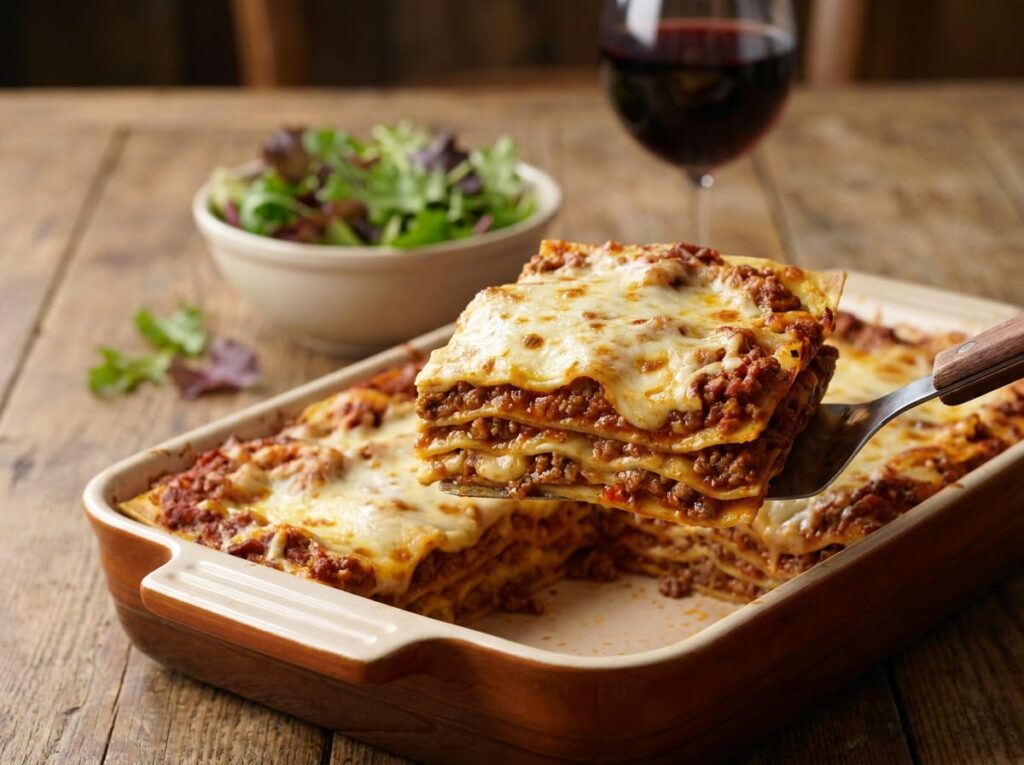
A lasagna that slides apart when you cut it usually has too much liquid in the layers, not too little cheese. People tend to overcompensate with extra sauce, which sounds right but actually works against you here.
Let the assembled lasagna rest for at least 15 minutes after it comes out of the oven before cutting into it.
Drain the ricotta mixture if it looks watery before spreading it.
Let the finished lasagna rest before slicing.
Adding extra sauce between every layer to be safe.
Cutting it straight out of the oven.
It actually reheats better the next day, so making it a day ahead isn’t a shortcut, it’s an improvement.
8. Chicken Parmigiana With a Crust That Stays Crisp
A soggy crust happens the moment breaded chicken sits in sauce for too long before serving, which is why the order you build the plate in matters as much as the breading itself. Keep the sauce and cheese layered on top rather than underneath, and serve right after it comes out of the oven.
The breading itself matters too. A double dip in egg and breadcrumbs gives a thicker, sturdier crust than a single pass.
| Baking | Pan-Frying |
|---|---|
| Less mess, more hands-off | Crispier, closer to restaurant texture |
| Needs a wire rack to stay crisp | Needs more attention at the stove |
Either method works. Pick pan-frying on a night you have a few extra minutes to stand at the stove.
9. Minestrone That Tastes Better the Next Day
The difference between a flat minestrone and one with real depth usually comes down to one step nobody wants to do on a weeknight: sautéing the vegetables in olive oil until they actually soften and turn slightly golden before any liquid goes in. Skipping straight to simmering everything together skips the flavor that step builds.
Give the vegetables a genuine 8 to 10 minutes before adding your broth and tomatoes.
Sauté the vegetables until golden before adding any liquid. That step is where the flavor actually comes from.
Make a double batch on purpose. Like most soups, this one is better on day two.
10. Five Cheese Ziti al Forno for a Crowd
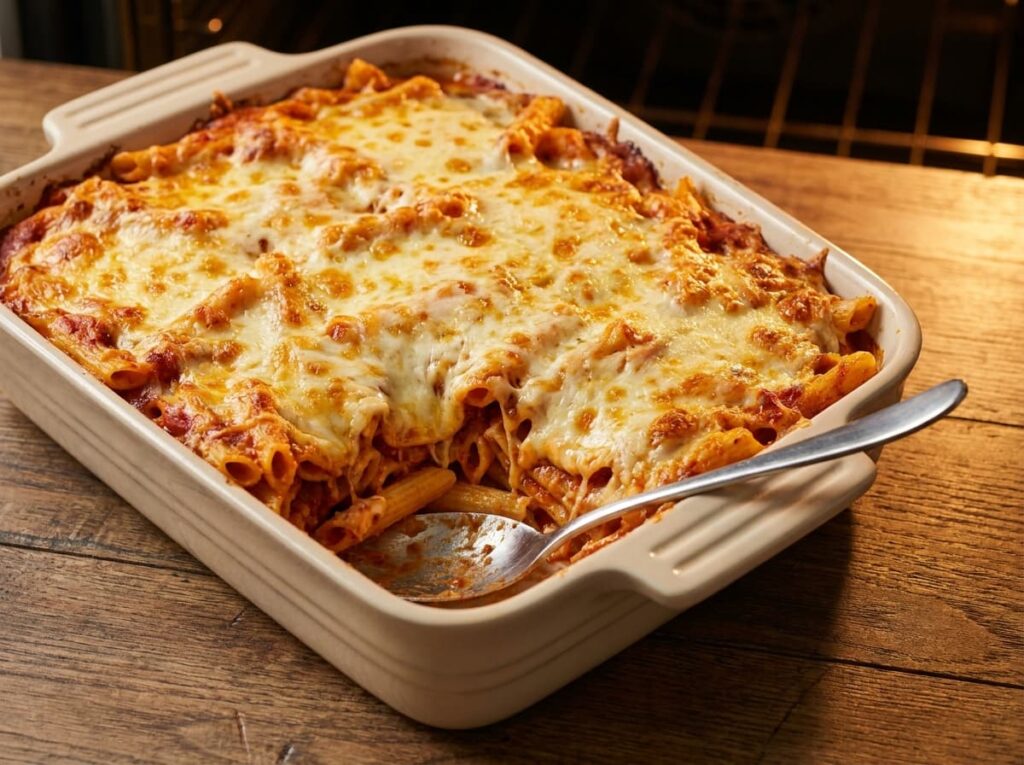
This dish is built for make-ahead cooking, and treating it that way solves the biggest complaint people have with it, which is a dry top layer. Assembling it a day ahead and refrigerating it before baking actually gives the cheese and sauce time to settle into the pasta.
It also freezes well, unbaked, for up to two months.
📌 Good To Know
If baking from frozen, add about 20 extra minutes and keep it covered with foil for the first half.
It’s an easy dish to bring to a potluck since it holds its shape well once it’s out of the oven and cooled slightly.
11. Steak Gorgonzola Alfredo, Restaurant Plating at Home
This dish looks like it belongs on a menu, but the steak is the part most people get wrong at home. A cut that’s too lean turns tough fast on high heat, so this is one place where a slightly fattier cut of steak actually pays off.
Let the steak rest for five minutes before slicing it against the grain into thin strips for the plate.
Plate the alfredo first, then fan the steak strips over the top. It’s the same trick restaurants use to make a dish look more composed.
12. Stuffed Chicken Marsala Without Dry Chicken
Dry chicken almost always means the breast wasn’t pounded to an even thickness before cooking, so the thin edges finish long before the thick center does. Pounding it evenly first, to about half an inch, fixes most of the problem before it starts.
The stuffing adds moisture too, so don’t skip that step even if you’re short on time.
The three steps that matter most
Remove the toothpicks before serving. It’s an easy step to forget once the chicken looks ready to plate.
13. A “Tour of Italy” Sampler Plate for Date Night
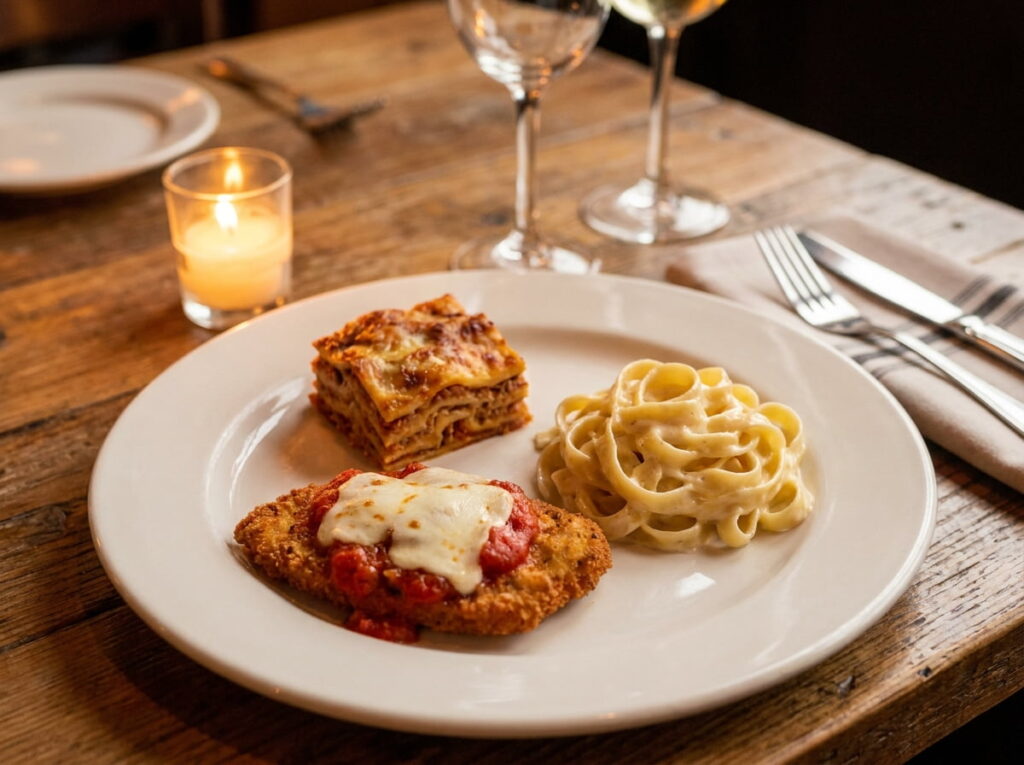
Making three separate dishes for one plate sounds like more work than it is, mostly because you can prep components ahead and just assemble them right before serving. A small portion of lasagna, chicken parmigiana, and fettuccine alfredo on one plate turns a regular dinner into something that feels like an occasion.
Cook the components on different nights and freeze portions if it helps spread out the work.
One recipe, one flavor, a regular weeknight plate.
Three small portions, three flavors, feels like a special occasion.
Keep the portions genuinely small. The point is variety, not three full servings on one plate.
14. Copycat Breadstick Sandwiches for Leftovers
Leftover breadsticks go stale fast, but they make a surprisingly good sandwich base if you use them within a day. Split one lengthwise, warm it briefly, and it holds up better than most regular sandwich bread for something hearty.
This is a good use for leftover chicken parmigiana or steak from earlier in the week.
Split a leftover breadstick lengthwise without cutting all the way through.
Warm it in a low oven for 5 minutes to soften the crust slightly.
Fill with leftover chicken parm, marinara, and a little extra mozzarella.
It’s not fancy, but it solves the problem of leftovers that would otherwise go to waste.
15. Black Tie Mousse Cake, the Dessert Worth the Effort
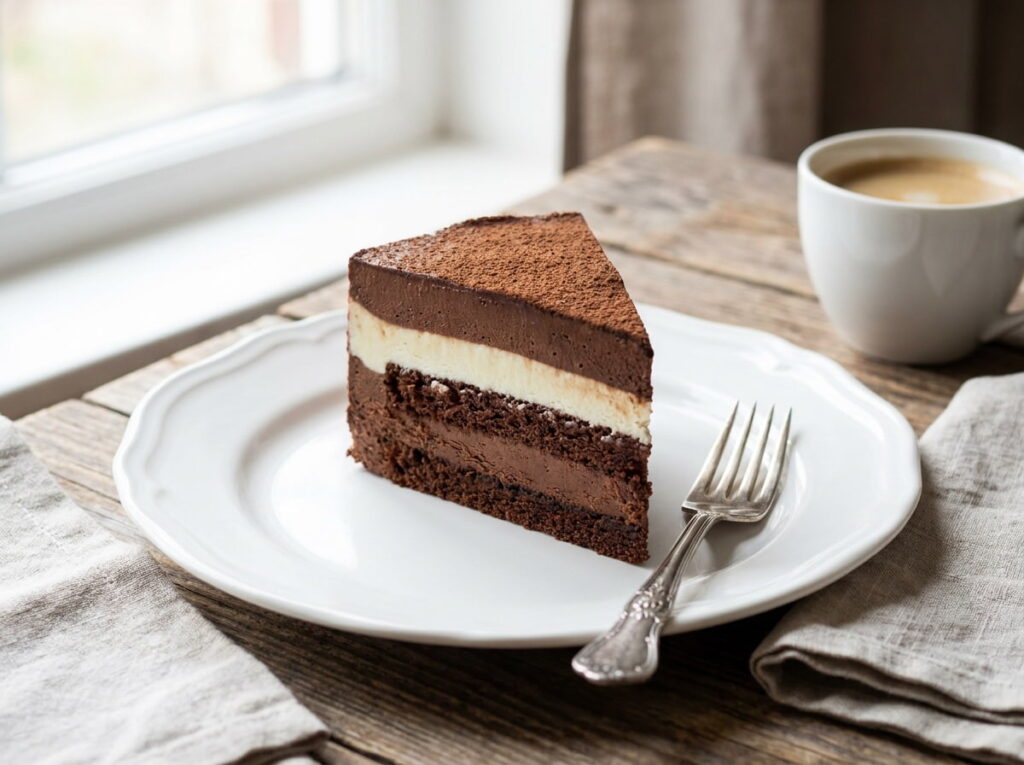
This one takes more steps than anything else on this list, and that’s worth knowing going in so you don’t start it on a rushed weeknight. Between the cake layer, two mousse layers, and the chill time, it’s really a weekend project.
The payoff is a dessert that looks like it came from a bakery case, not a home kitchen.
Make it the day before whatever you’re serving it for. The chill time isn’t optional, and rushing it shows in the slice.
Conclusion
Copycat Olive Garden recipes work best when you focus on the small details instead of just the ingredient list. The garlic bloomed in oil, the sausage fat left in the soup, the steak rested before slicing. Those are the moves that separate a dish that’s close from one that actually tastes like the version you remember from the restaurant.
You don’t need to make all fifteen this week. Pick two or three that fit what you’re already planning to cook, whether that’s a quick weeknight bowl of zuppa toscana or a full Sunday spread with lasagna and breadsticks. The rest will still be here when you’re ready for them.
Save this list for the next time you’re planning a menu and want something that feels a little more special than a regular weeknight dinner.