Learning to cook dinner for yourself usually starts with a recipe that looks simple on the page and somehow still goes wrong in the kitchen. The pan is too hot, the timing is off, or the recipe assumes you already know things nobody ever explained. These easy dinner ideas for beginners skip that problem by breaking down not just what to cook, but why each step matters.
None of these require special equipment or ingredients you’d only use once. Most come down to a handful of basic techniques repeated across different meals, which means once you get comfortable with one, three or four other dinners suddenly make sense too.
This list mixes specific recipes with the small skills that make cooking less stressful overall, like reading a recipe properly before you start or knowing when a pan is actually hot enough. Some items are full dinners you can make tonight. Others are habits worth building so cooking stops feeling like guesswork. Pick a few that match where you’re starting from and go from there.
1. Sheet Pan Chicken and Veggies, the Recipe That Teaches You Timing

Most beginner cooking mistakes come down to timing, not skill. A sheet pan dinner is forgiving because everything roasts together, so there’s less to juggle and fewer chances to burn something while you’re distracted with another pan.
Cut vegetables into similar sized pieces so they cook at the same rate as the chicken, and don’t crowd the pan, since packed vegetables steam instead of roast.
One pan, one dish to wash, and a meal that’s hard to mess up once you get the spacing right.
2. One Pot Pasta That Skips the Boiling and Draining Step Entirely
Boiling pasta in a separate pot, straining it, then combining it with sauce feels like more dishes than dinner is worth on a beginner’s first few tries. One pot pasta cooks everything together instead.
| Traditional Method | One Pot Method |
|---|---|
| Separate pot for pasta, separate pan for sauce. | Pasta cooks directly in the sauce liquid. |
| Requires draining and timing two things at once. | One pot, one timer, no draining needed. |
The starch left behind from the pasta also thickens the sauce naturally, so it ends up richer than most beginners expect from so little effort.
3. A Basic Stir Fry Formula You Can Repeat With Whatever’s in the Fridge
Stir fry isn’t really one recipe, it’s a formula, and once that clicks, it becomes the easiest way to use up whatever vegetables and protein happen to be sitting in the fridge that night.
💡 Quick Tip
Cook protein first and set it aside, then cook vegetables, then combine everything with sauce at the end. Adding everything at once leads to unevenly cooked food.
Keep a basic sauce on hand, soy sauce, a splash of vinegar, a little sugar, and this becomes one of those meals you stop needing a recipe for entirely.
4. Building a Simple Grain Bowl Without Following an Exact Recipe
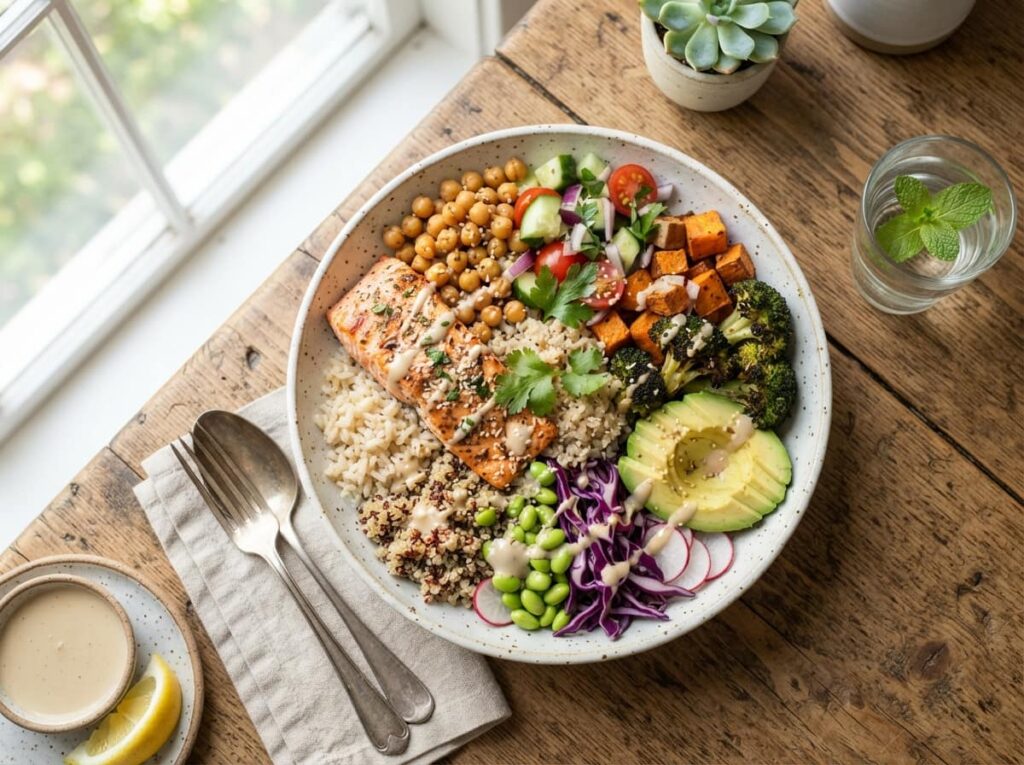
Grain bowls look complicated in photos, layered and colorful, but the actual method behind them is closer to assembly than cooking.
Start with a cooked grain as the base, rice, quinoa, or couscous all work.
Add a protein and a vegetable, cooked or fresh, whatever you have.
Finish with a sauce or dressing, which ties the whole bowl together.
Once you understand this structure, you’ll stop needing an exact recipe and start building bowls from whatever’s already in the kitchen.
5. The Mistake New Cooks Make With Pan Temperature
New cooks tend to either crank the heat too high out of impatience, or keep it too low out of fear of burning something. Both lead to the same frustrating result: food that sticks, cooks unevenly, or takes twice as long as it should.
Let the pan heat up for a minute or two before adding oil.
Test with a small drop of water, it should sizzle and evaporate fast.
Adding food to a cold pan and waiting for it to catch up.
Cranking the heat to high the second you’re impatient.
Once a pan is properly hot, most food stops sticking almost entirely, which solves a problem a lot of beginners blame on the wrong pan instead.
6. Basic Tacos That Teach You to Season Meat From Scratch
Tacos are one of the easiest ways to learn how seasoning actually works, since the meat is the whole point and there’s nowhere for bad seasoning to hide.
Skip the packaged seasoning mix and build your own from spices most kitchens already have. Brown the meat first, then add the seasoning once most of the liquid has cooked off, not before.
Season after most of the liquid cooks off, or the spices wash out instead of sticking to the meat.
Once this clicks, you’ll start seasoning other ground meat dishes the same way without needing a recipe to tell you when.
7. A Five Ingredient Baked Salmon That Feels Fancier Than It Is

Salmon has a reputation for being intimidating, mostly because people assume it needs a complicated technique to taste like something from a restaurant.
A fish counter intimidation that keeps salmon off the weekly rotation.
Salt, lemon, olive oil, and twelve minutes in the oven, done.
Bake at 400 degrees until the fish flakes easily with a fork, usually around twelve minutes depending on thickness. That’s the whole technique.
8. Scrambled Eggs for Dinner, and Why That’s a Real Meal
There’s a strange guilt some beginner cooks feel about serving eggs for dinner, like it doesn’t count as a real effort. It counts, and it’s worth doing well instead of rushing.
What actually makes eggs good
Serve with toast and whatever vegetable is closest to going bad in the fridge, and it becomes a complete, satisfying dinner.
9. Reading a Recipe Correctly Before You Start Cooking
A lot of kitchen disasters trace back to one habit, starting to cook before actually reading the whole recipe first. By the time you realize a step needs something to marinate for an hour, dinner is already running late.
This one habit alone prevents most of the last minute panic that makes cooking feel harder than it actually is.
10. A Simple Marinara You Can Build From a Can of Tomatoes
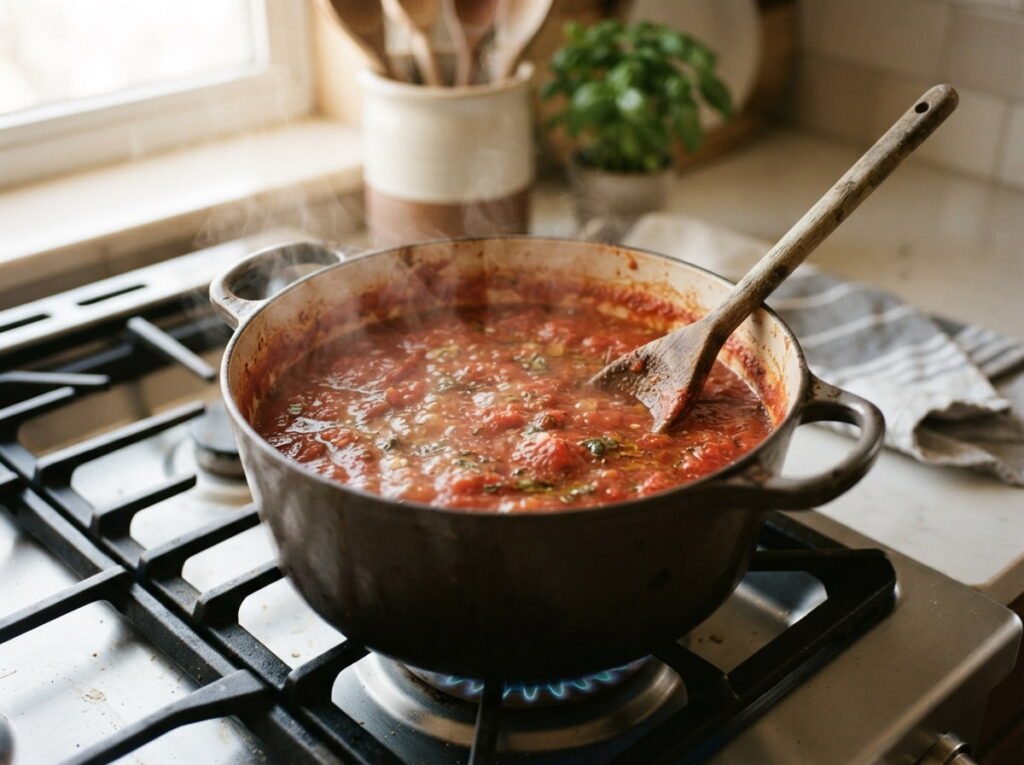
Jarred sauce is fine, but a homemade marinara takes barely more effort and tastes noticeably better, especially once you realize it comes down to just a few ingredients.
- Start with a can of crushed tomatoes, not diced, for a smoother base.
- Cook minced garlic in olive oil for thirty seconds before adding the tomatoes, no longer or it burns.
- Simmer for at least twenty minutes, since rushing this step leaves the sauce tasting thin and acidic.
- ▸A pinch of sugar balances out overly acidic canned tomatoes.
- ▸Fresh basil added at the very end tastes brighter than dried.
- ▸Makes enough for two meals, so freeze half for later.
Once you’ve made this a few times, you’ll notice yourself skipping the jarred stuff without really deciding to.
11. Roasting Vegetables Without Them Turning to Mush
Soggy roasted vegetables usually come down to one thing, too much moisture and not enough space on the pan.
💡 Quick Tip
Pat vegetables dry before tossing them in oil, and spread them out in a single layer with space between pieces. Crowding the pan is the fastest way to steam instead of roast.
A high oven temperature, around 425 degrees, also helps vegetables brown before they have time to release too much water.
12. A Basic Quesadilla Formula for Using Up Odds and Ends
A quesadilla is basically a formula in disguise, and it’s one of the most forgiving ways to use up small amounts of leftover ingredients that aren’t quite enough for their own meal.
A fridge with small odds and ends that don’t add up to a full meal.
Cheese, tortilla, whatever’s left, folded and crisped in a pan.
Keep the heat at medium and press down gently with a spatula, which helps the cheese melt fully before the tortilla burns.
13. Store Bought Versus Homemade Sauce, and When Each Makes Sense
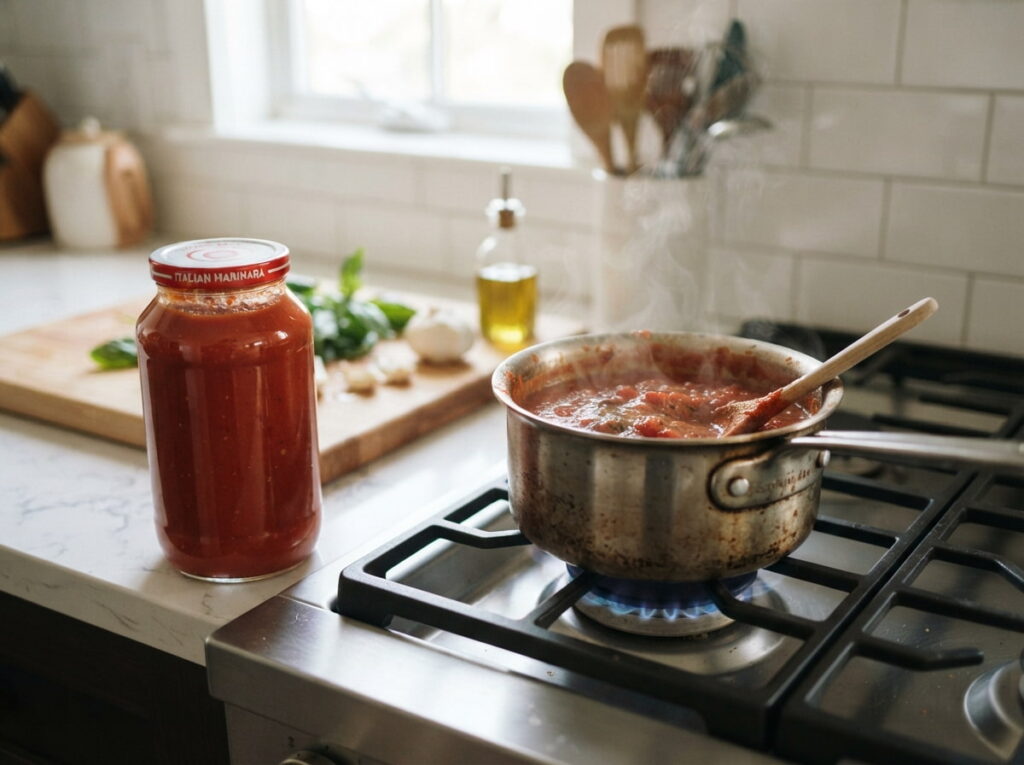
New cooks sometimes feel pressure to make everything from scratch, but knowing when to skip that step is its own useful skill.
| Store Bought | Homemade |
|---|---|
| Best for busy weeknights with little time. | Best when you have twenty extra minutes to spare. |
| Consistent flavor every time. | More control over salt and ingredients. |
There’s no rule that says every meal has to be made entirely from scratch. Save that effort for the nights when it actually matters to you.
14. The Knife Skills That Actually Matter for Weeknight Cooking
Nobody needs restaurant level knife skills to cook dinner. What actually matters is a lot simpler than the intimidating videos make it look.
Curl your fingertips under and use your knuckles as a guide.
Cut pieces roughly the same size so they cook evenly.
Rushing through cuts to match a video’s speed.
Using a dull knife, which is more dangerous than a sharp one.
Speed comes naturally after enough repetition. It’s not something you need to force early on.
15. A Simple Soup Formula That Works With Almost Any Vegetable
Soup is one of the most forgiving things a beginner can learn, mostly because it’s nearly impossible to mess up once you understand the basic order of operations.
Sauté onion and garlic in a bit of oil until soft, not browned.
Add chopped vegetables and broth, then bring to a simmer.
Simmer until vegetables are tender, then season to taste at the end.
Nearly any vegetable combination works here, which makes this one of the easiest recipes to repeat without ever getting bored of it.
16. Cooking Rice Without Guessing or Burning the Bottom
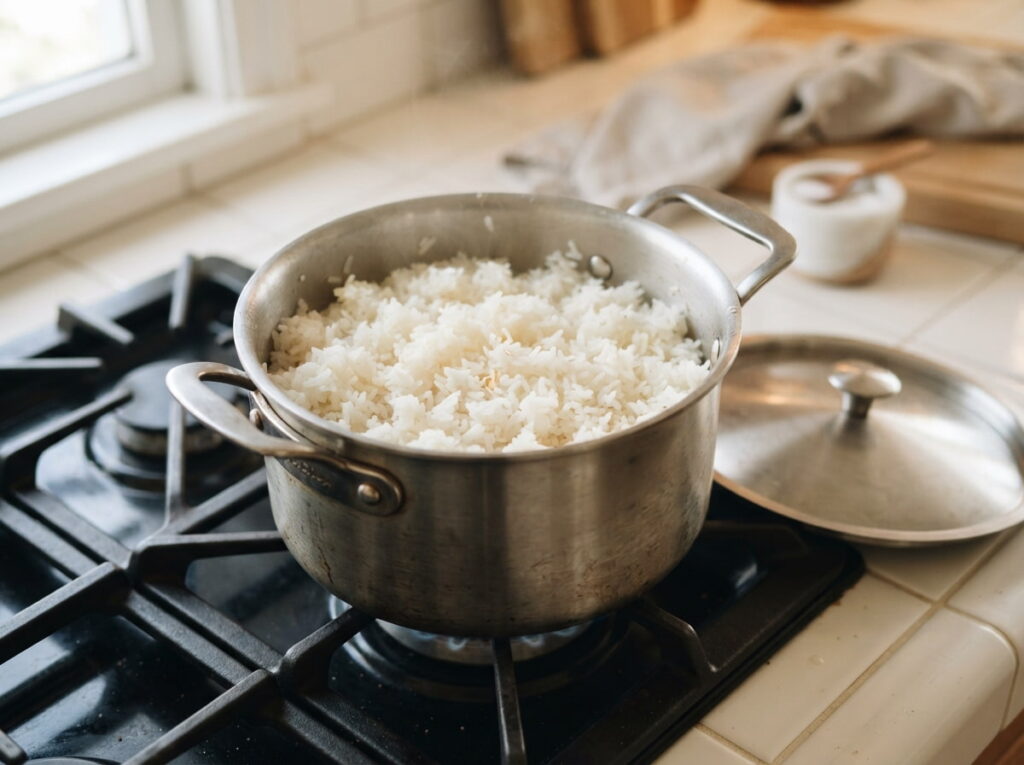
Rice has a reputation for being harder than it actually is, mostly because a lot of beginners either lift the lid too often or use the wrong water ratio and end up with something crunchy or mushy.
The basic ratio is two cups of water for every cup of white rice, brought to a boil, then covered and simmered on low without peeking.
The urge to lift the lid and check is strong, but resisting it is the actual secret. Steam trapped inside is what finishes the cooking evenly.
17. A Basic Breaded Chicken Cutlet Recipe Worth Memorizing
A breaded chicken cutlet looks like restaurant food, but the technique behind it is simple enough to memorize after making it once or twice.
Pound the chicken to an even thickness before breading it, since uneven pieces cook unevenly no matter how careful you are with the pan.
18. Building a Simple Dinner Routine So You Stop Deciding From Scratch Every Night
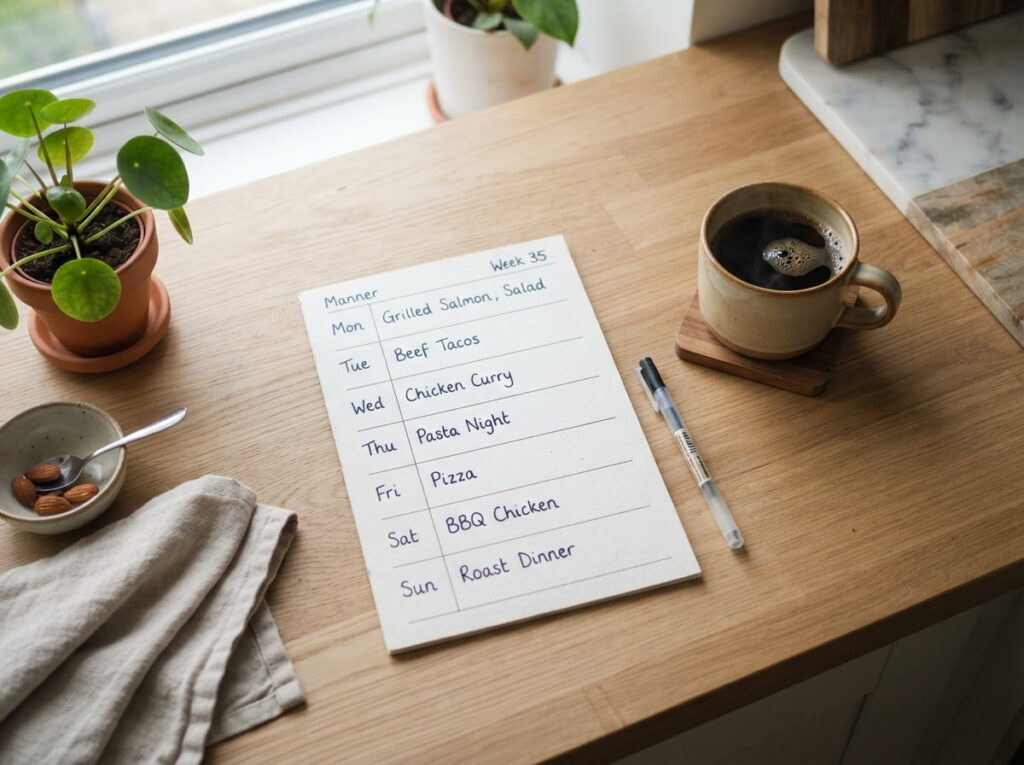
Deciding what to cook every single night is exhausting, and that decision fatigue is often what makes cooking feel harder than the actual cooking part ever is.
Assigning a loose theme to each night removes the decision, not just the cooking.
Something as simple as taco Tuesday or a rotating pasta night takes the guesswork out of dinner and leaves more energy for the actual cooking part.
Conclusion
Learning to cook doesn’t happen all at once, it happens meal by meal, mistake by mistake, until the basics stop feeling like guesswork. These easy dinner ideas for beginners work because they teach something small each time, timing, seasoning, pan heat, without asking for skills nobody starts out with. A few of these on repeat and cooking stops being something you dread after a long day.
Pick two or three from this list to try first, ideally ones that use techniques you can carry into other meals later. Save this list for the weeks when dinner feels like one more thing to figure out, and let it be the thing that makes figuring it out a little easier.