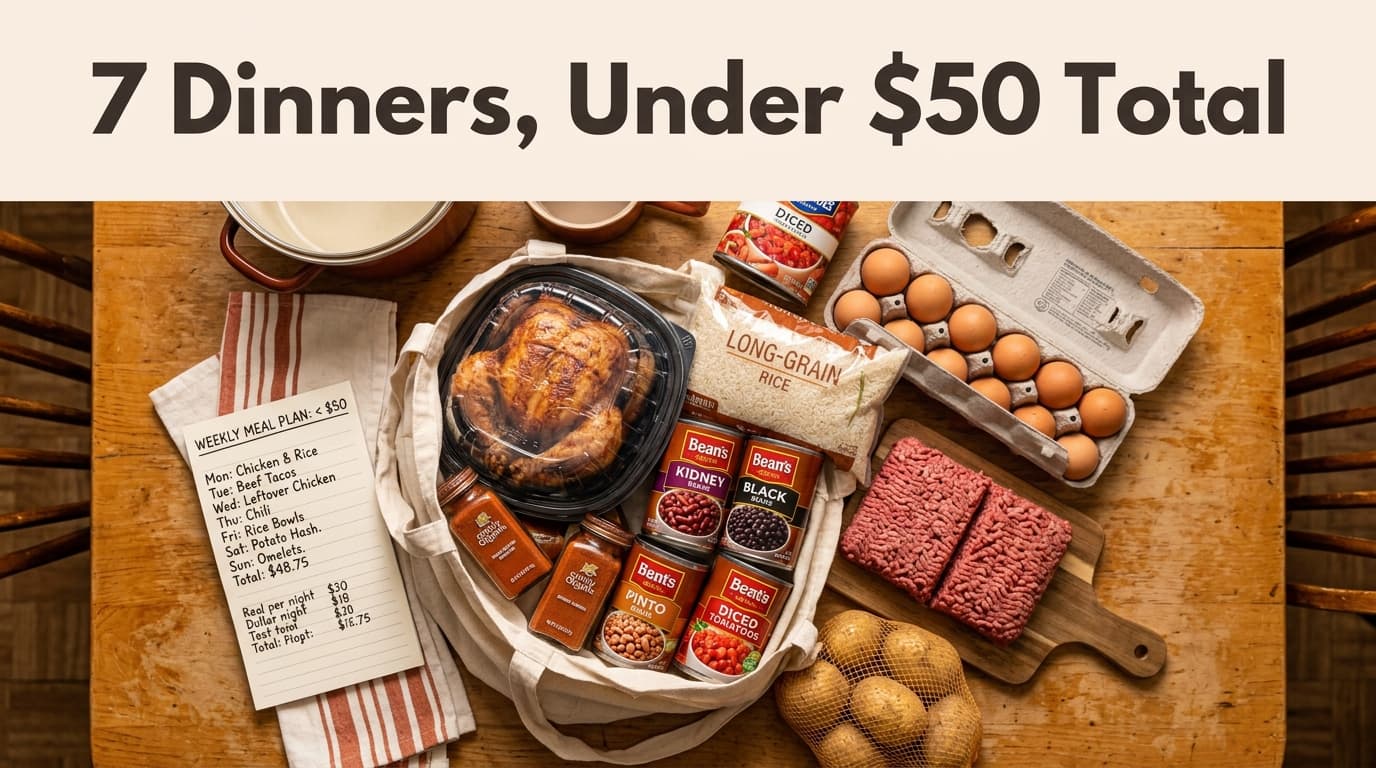
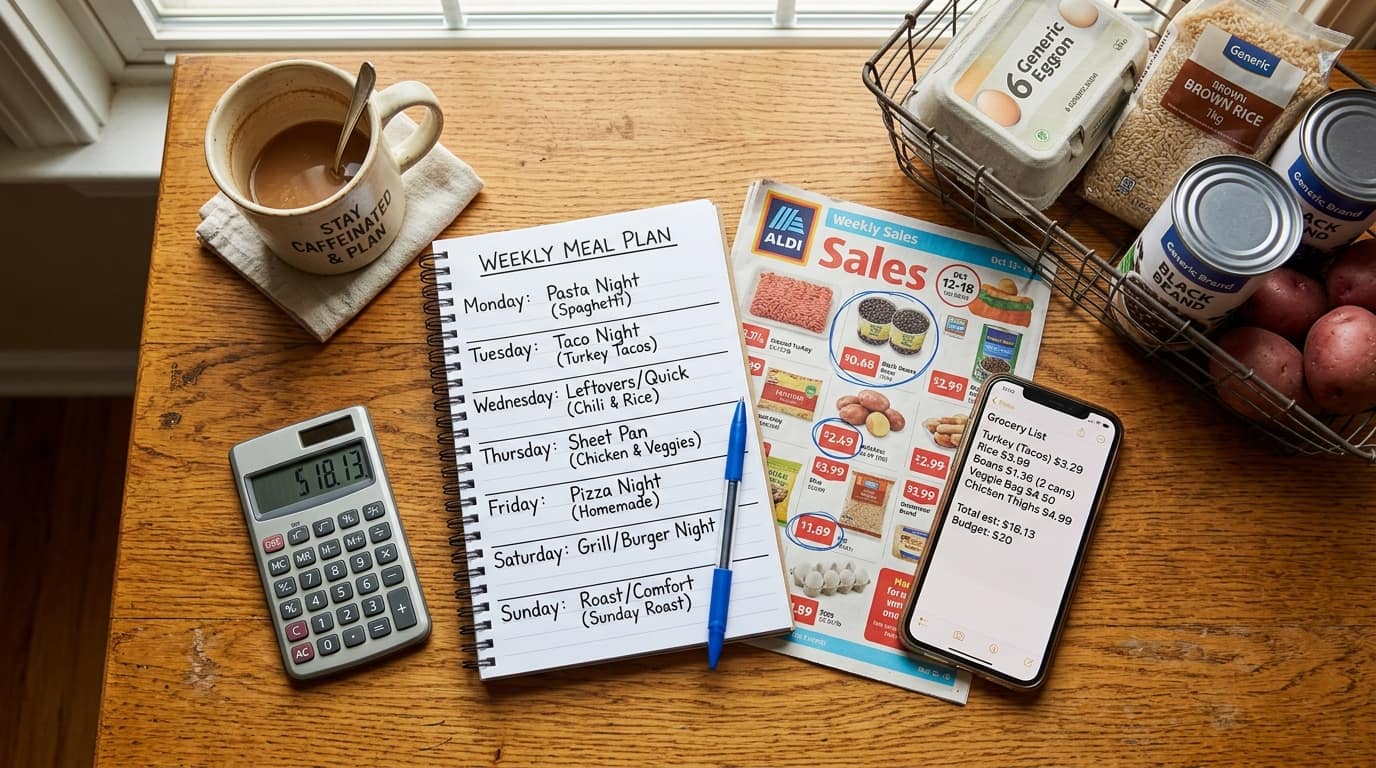
Most last-minute takeout orders come down to one problem, not a lack of skill or time, just an empty pantry with nothing that turns into a real dinner. Quick dinner pantry staples fix that gap, since a shelf stocked with the right basics means most weeknight meals only need one or two fresh ingredients to finish them off.
The trick is picking staples that pull double duty. A can of diced tomatoes works in a dozen different dishes, and dried pasta pairs with almost anything already sitting in the fridge. Building a pantry this way means fewer trips to the store and fewer nights standing in front of an open fridge with no real plan.
This guide covers twenty five staples worth keeping stocked at all times, from canned goods and dried pasta to a short list of fresh items that last longer than people expect. Some of these are obvious, others get overlooked until the night they’re needed and missing. Bookmark this list, check it against what’s already in the pantry, and fill in the gaps a little at a time.
By the Numbers
What a Stocked Pantry Actually Holds
Every one shows up in a dozen different meals instead of just one recipe.
Canned tuna and salmon keep that long, ready to eat straight from the can.
Most recipes call for one or two, so a shelf of four keeps you from running out mid-week.
Frozen shrimp thaws that fast under cold water, a real weeknight protein backup.
Freezing meat in smaller portions instead of one block cuts the thaw time to hours, not days.
1. Canned Diced Tomatoes for Instant Sauce Bases
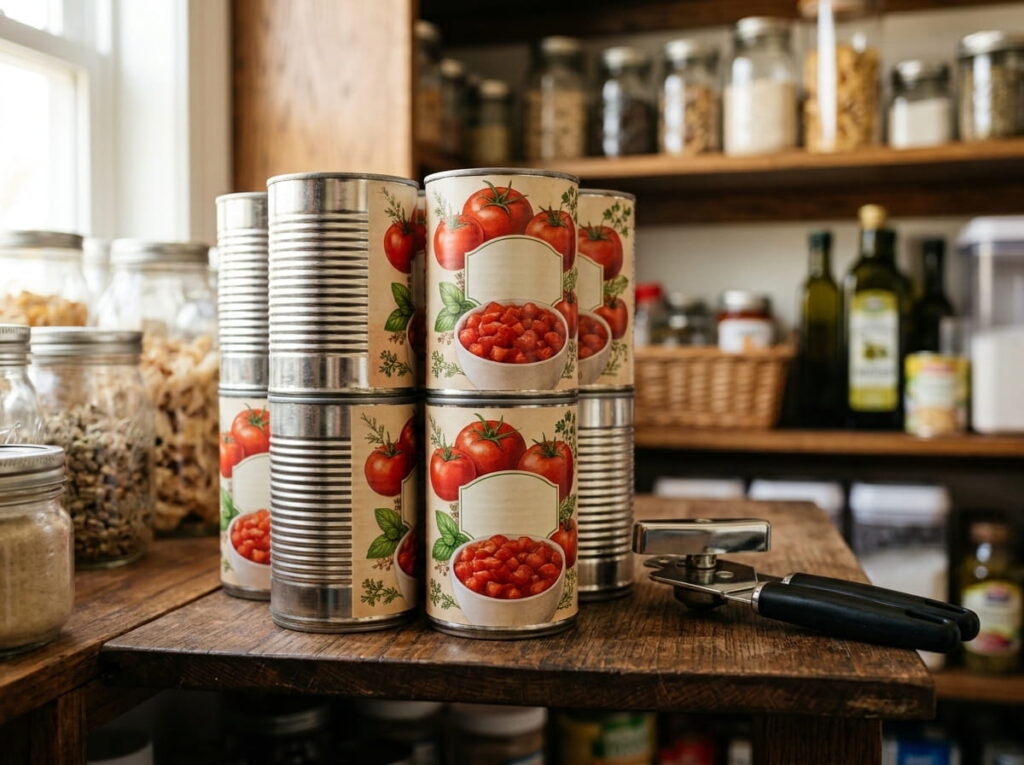
A few cans of diced tomatoes on the shelf mean a real tomato sauce is always about fifteen minutes away, no fresh tomatoes or long simmer required.
They work in pasta sauce, chili, soup, and braised dishes, and fire-roasted versions add extra depth without any additional chopping. Keep at least four cans on hand, since most recipes call for one or two and it's easy to burn through a stock faster than expected.
2. Chicken and Beef Broth for Building Flavor Fast
Plain water in a recipe almost always tastes thinner than broth, and swapping one for the other is one of the easiest upgrades a pantry can offer without any extra effort.
💡 Quick Tip
Boxed broth keeps longer once opened than canned, and it reseals easily, which makes it a better fit for a pantry that isn't restocked every week.
Keep both chicken and beef versions on hand, since recipes lean on one or the other depending on the dish, and having only one type means substituting more often than not.
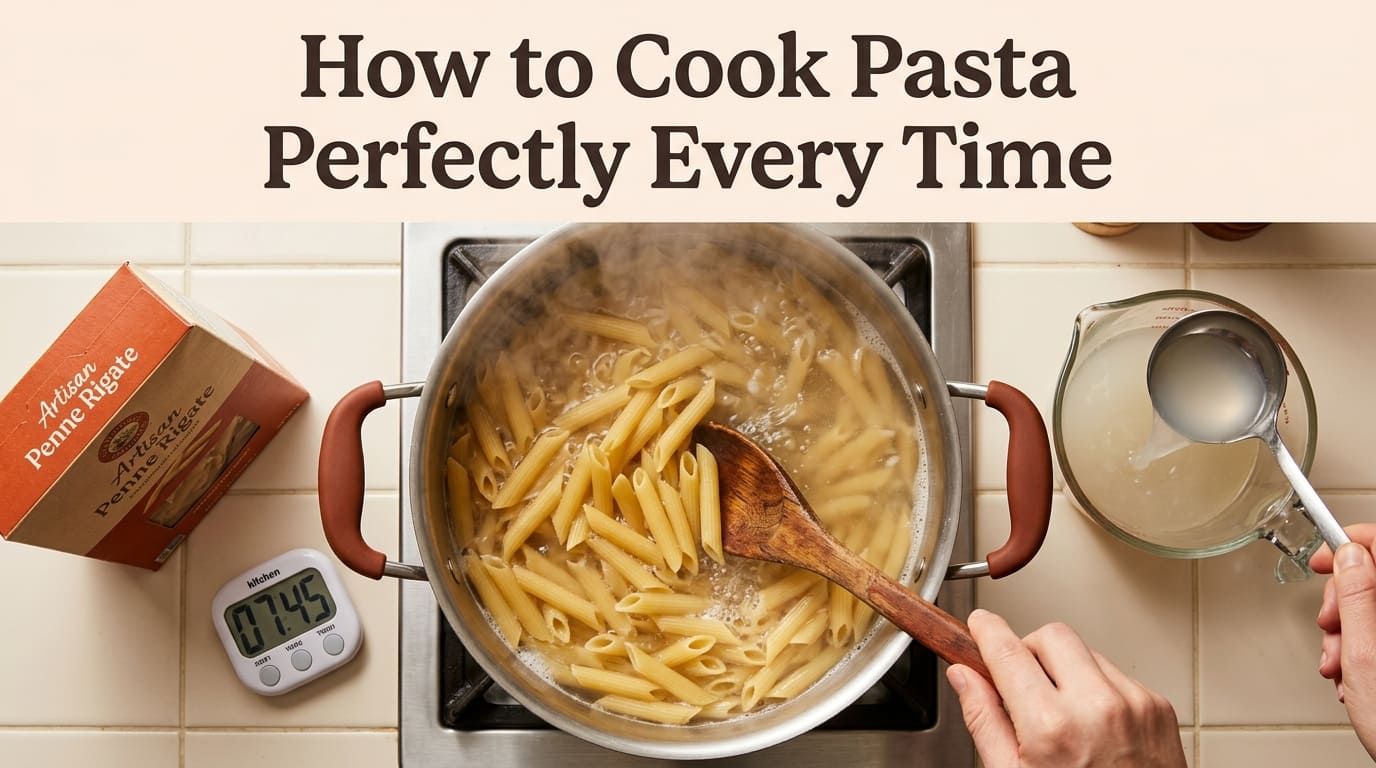
3. Dried Pasta in a Few Different Shapes
Long noodles and short shapes behave differently in a dish, and having both on hand means never being stuck making do with the wrong one.
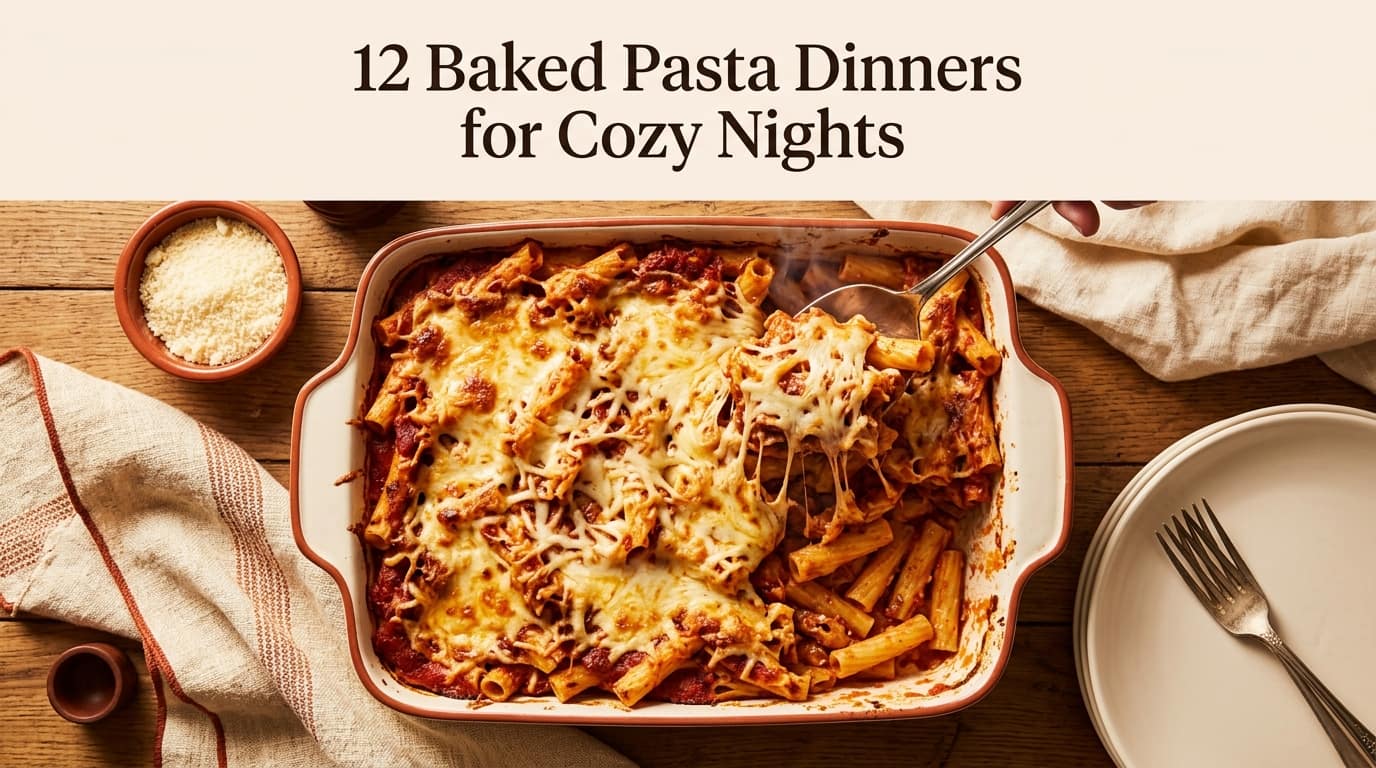
Short shapes hold up better in baked dishes and chunky sauces, while long noodles work best with something smooth like a cream or oil based sauce.
4. White Rice and a Faster Cooking Grain Like Couscous
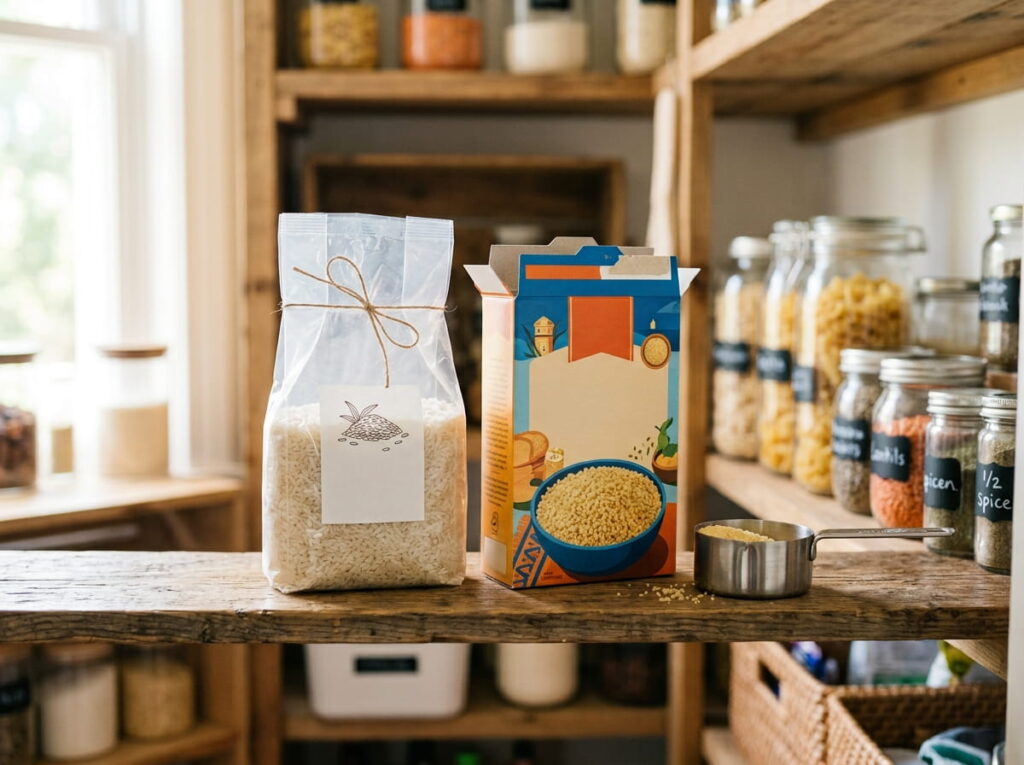
White rice takes close to twenty minutes, which is fine most nights, but a backup of couscous or instant rice covers the nights that call for something faster.
Keep a bag of long grain white rice for everyday meals.
Stock a box of couscous or instant rice for nights with less time.
Rotate through both so neither sits unused for too long.
Couscous cooks in about five minutes with just boiling water, which makes it the better choice on a night that's already running behind.
5. Canned Beans for Instant Protein and Fiber
Dried beans need soaking and hours of cooking, but the canned version skips all of that and goes straight into a dish already tender.
Keep black beans, chickpeas, and kidney beans stocked.
Rinse them before adding to a dish to cut down on excess sodium.
Relying only on dried beans for a quick dinner pantry.
Pouring the liquid straight into a dish without rinsing first.
6. Frozen Vegetables That Cook Straight From Frozen
Fresh vegetables go bad fast, and a bag of frozen broccoli or peas sitting untouched in the freezer solves the exact problem fresh produce creates on a busy week.
Grab a few of these to start:
What to grab first
Most frozen vegetables cook straight from the freezer, no thawing required, and they hold onto more nutrients than fresh produce that's been sitting in the fridge for a week.
7. Jarred Marinara or Pasta Sauce as a Backup Base
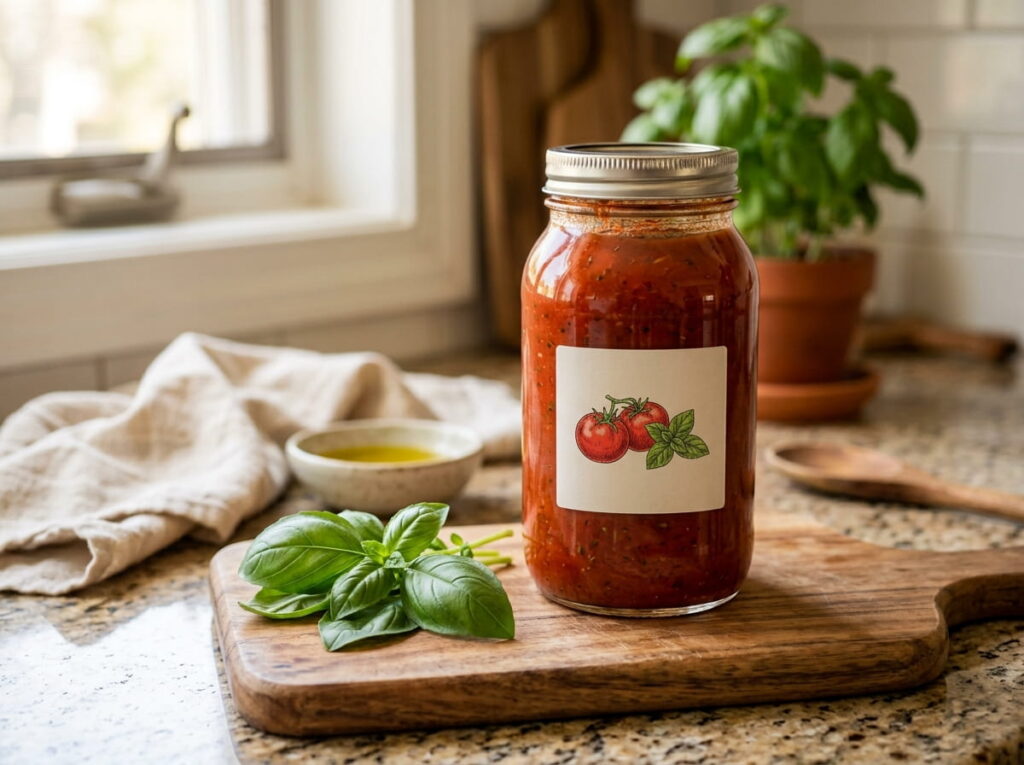
A jar of plain marinara isn't just for pasta, and treating it only as a spaghetti topping means missing out on how flexible it actually is.
Use it as a base for baked chicken parmesan, a quick pizza sauce, or a simmering sauce for meatballs when there's no time to build one from scratch. Doctoring a jarred sauce with a little garlic, red pepper flakes, or fresh herbs closes most of the gap between it and a homemade version.
A jar of sauce used only for spaghetti, then forgotten the rest of the week.
The same jar stretched across three different dinners without repeating one.
8. Olive Oil and a Neutral Cooking Oil
Olive oil and a neutral oil like canola or vegetable oil aren't interchangeable, and knowing when to reach for which one changes how a dish actually turns out.
Olive oil vs. neutral oil uses:
| Olive Oil | Neutral Oil |
|---|---|
| Best for dressings and low heat cooking | Handles high heat searing and frying |
| Adds its own flavor to a dish | Stays flavor neutral, won't compete with a dish |
Keep both stocked, and reach for the neutral oil anytime a pan needs to get genuinely hot.
9. Garlic and Onion, Fresh or the Jarred Version
Almost every savory dish starts the same way, with garlic and onion hitting a hot pan, which makes these two of the most repeated ingredients in any quick dinner pantry.
Jarred minced garlic isn't a downgrade. It's a real time saver worth keeping stocked alongside fresh cloves.
Fresh onions last for weeks in a cool, dry spot, so there's rarely a reason not to have at least one or two on hand at all times.
10. Soy Sauce for an Instant Savory Boost
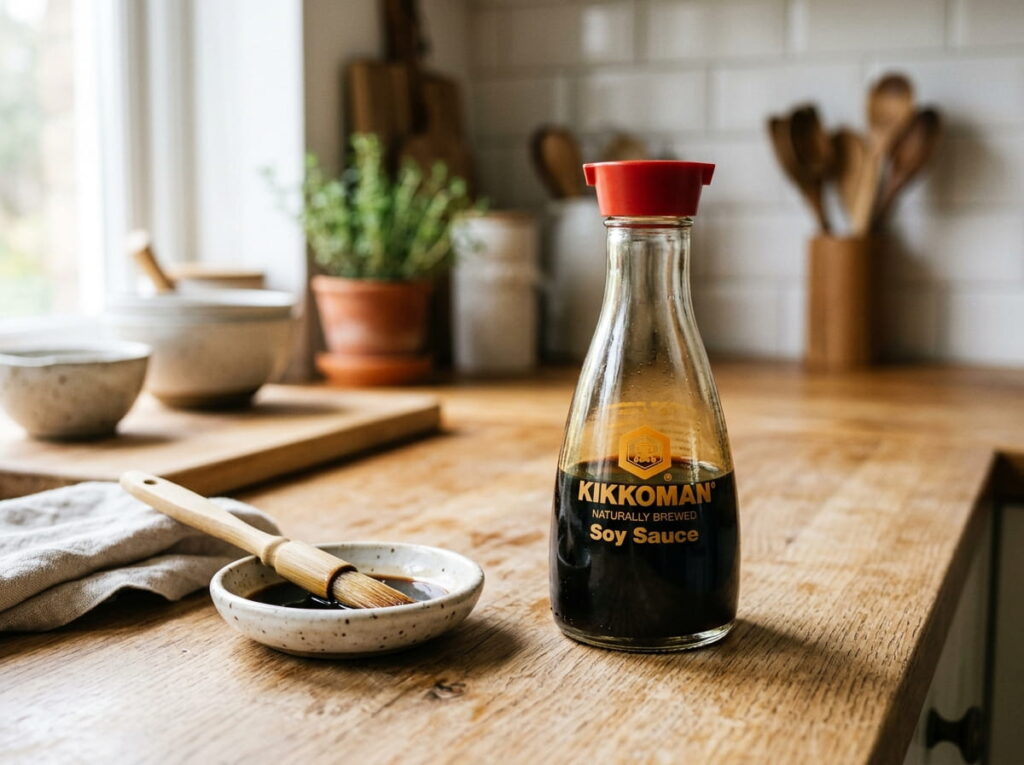
A splash of soy sauce does more for a bland dish than salt alone, adding a savory depth that plain seasoning can't quite reach on its own.
⚠️ Watch Out
Soy sauce is high in sodium. Taste a dish before adding more salt on top of it, since it's easy to double up without realizing.
It works well beyond stir fries too, stirred into a marinade, a pan sauce, or even a pot of soup that needs a little more depth.
11. Canned Tuna and Salmon for a Fast Protein Backup
Canned fish gets overlooked next to fresh options, but it needs no cooking at all and turns into dinner in the time it takes to open the can.
Toss it with pasta and a little olive oil, fold it into a quick salad, or spread it on toast when nothing else in the fridge looks promising.
12. Eggs as the Most Flexible Pantry Adjacent Staple
Eggs aren't shelf stable, but they last far longer in the fridge than most people expect, which earns them a permanent spot on this list.
Scramble or fry them for a fast standalone dinner.
Use them to bind meatballs, meatloaf, or a casserole together.
Fry one on top of rice or leftovers to turn a small meal into a full one.
A dozen eggs stretches a lot further than most people give them credit for, and they rarely go to waste before they're used.
13. Shelf Stable Milk or a Longer Lasting Dairy Alternative
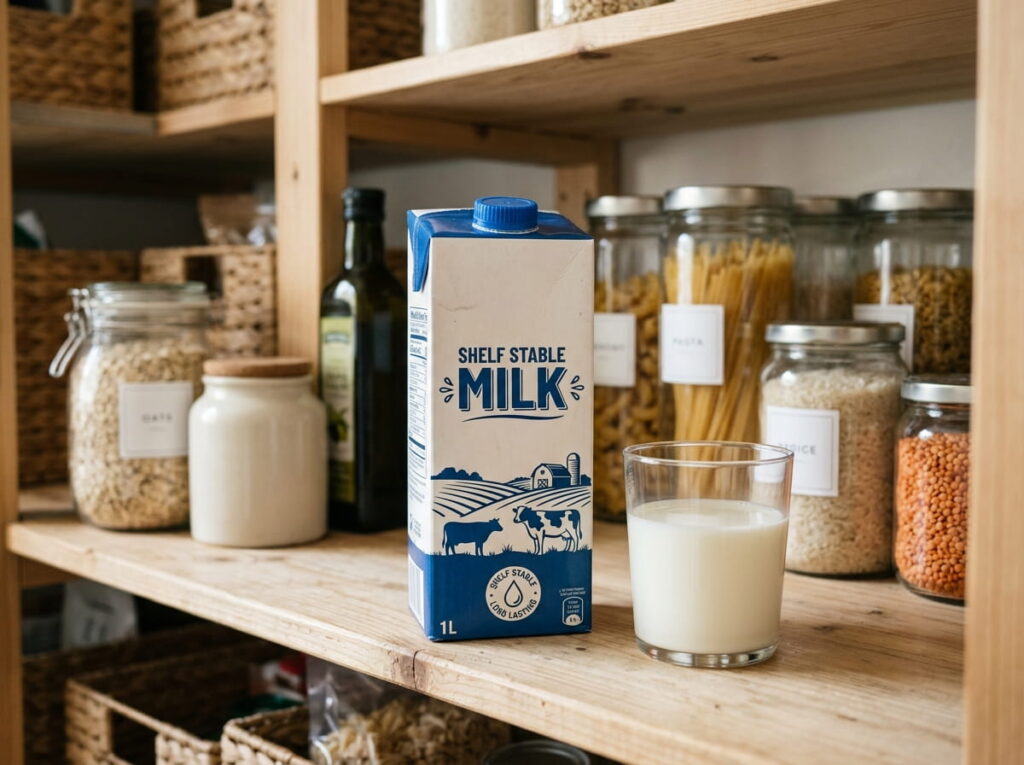
Boxed shelf stable milk sits in a cabinet for months unopened, which makes it a genuinely useful backup for anyone who's ever run out of milk mid-recipe.
14. Dried Herbs and a Basic Spice Rotation
A small, well chosen spice rack does more for a dish than a large one full of jars that never get touched.
Grab this basic rotation:
What to grab first
Buy small jars and replace them once a year, since dried spices lose potency far faster than most people realize.
15. Parmesan or Another Hard Cheese That Keeps Well
Soft cheeses spoil fast, but a block of parmesan sits in the fridge for weeks without going bad, quietly waiting to finish off a dish.
A soft cheese that spoils before it's ever fully used.
A block of parmesan lasting weeks, grated over whatever needs a finishing touch.
16. Tortillas for a Fast, No-Cook Meal Base
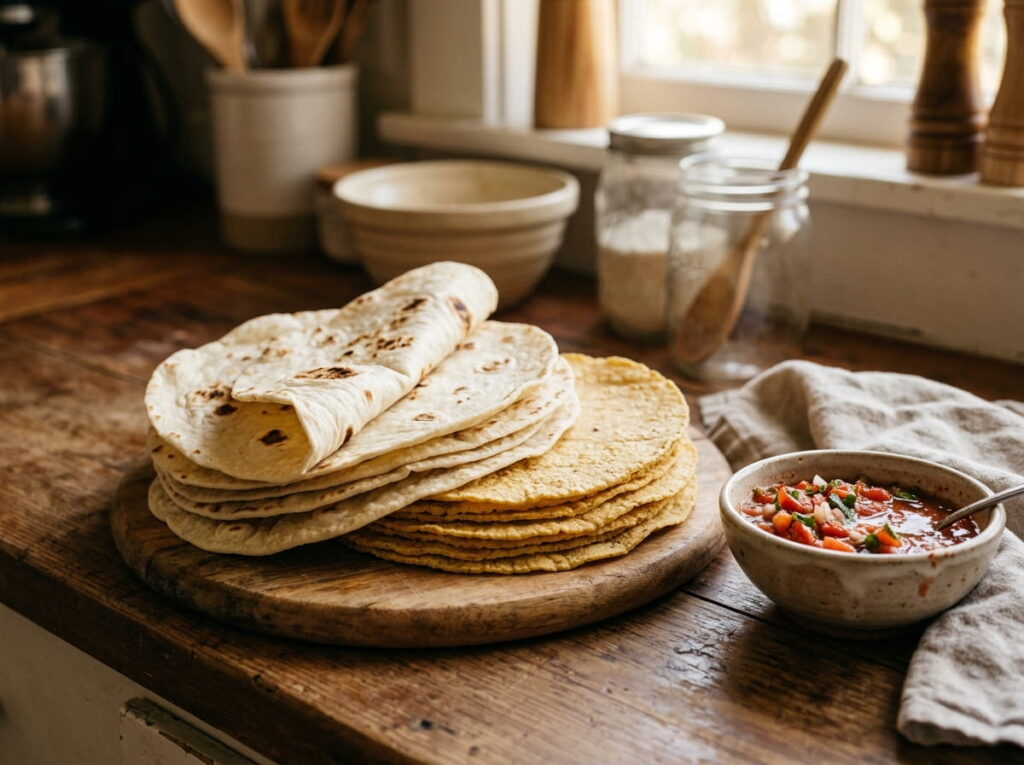
Flour and corn tortillas serve different purposes, and stocking only one means missing out on half the meals tortillas are actually good for.
Flour vs. corn tortillas:
| Flour | Corn |
|---|---|
| Better for wraps and burritos | Better for tacos and enchiladas |
| More flexible without cracking | More traditional flavor and texture |
Both freeze well, so keeping a package of each in the freezer means never running out mid-recipe.
17. Canned Coconut Milk for Curries and Sauces
Coconut milk turns a plain broth into something with real richness, and it's the difference between a thin curry and one that actually tastes finished.
Stir it into curries, soups, or a quick sauce for rice, and shake the can well before opening since the fat naturally separates during storage. A single can goes a long way, so one or two on the shelf covers most needs without taking up much space.
Shake the can well before opening. The coconut fat separates during storage and needs to be remixed for the right texture.
18. Frozen Shrimp for a Fast-Thawing Protein
Frozen shrimp thaws faster than almost any other protein, which makes it a real option even on a night that's already running late.
Run frozen shrimp under cold water for about ten minutes.
Pat dry once thawed, since wet shrimp won't sear properly.
Cook in a hot pan for two to three minutes per side, until pink.
Buy the already peeled and deveined bags, since the extra prep time on raw shrimp defeats the purpose of a fast dinner protein.
19. Bread Crumbs or Panko for Quick Crusts and Toppings
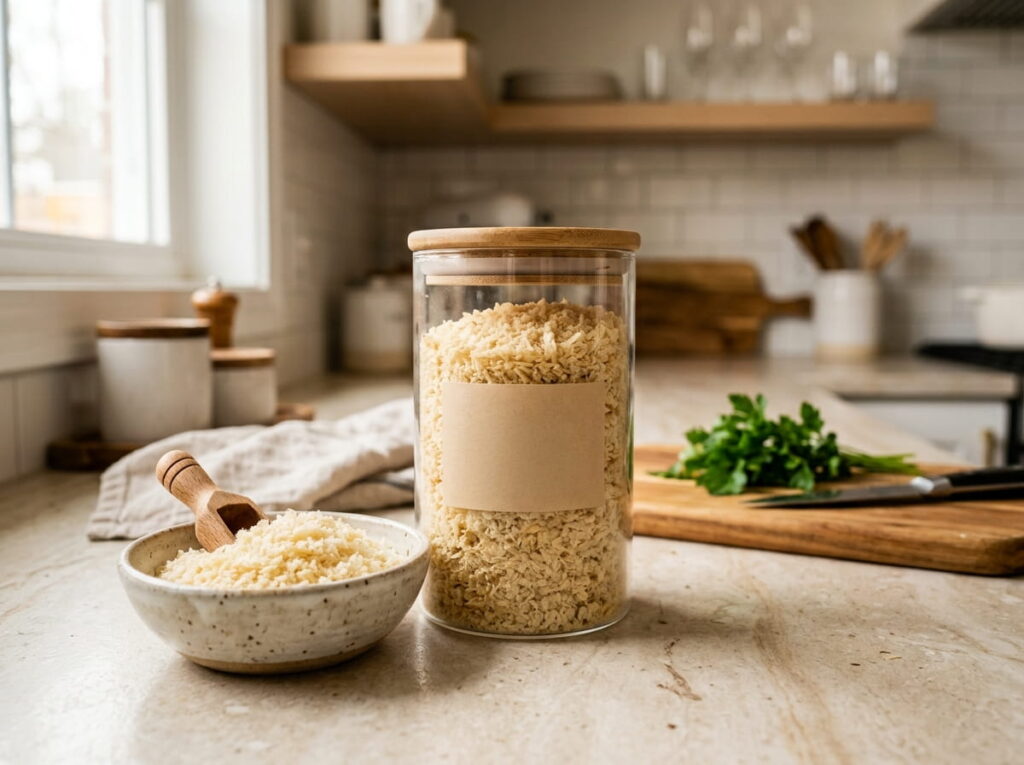
A container of breadcrumbs sitting in the pantry turns plain baked chicken or a casserole into something with real texture on top.
Panko in particular stays crisp under a sauce far longer than regular breadcrumbs, which matters most on a baked casserole.
20. Vinegar for Balancing a Flat-Tasting Dish
A dish that tastes flat usually needs acid, not more salt, and a splash of vinegar is often the fix people reach past without realizing.
💡 Quick Tip
Add vinegar a little at a time and taste as you go. A small splash can brighten a dish, but too much turns it sharp fast.
Keep at least two kinds on hand, a plain white or apple cider vinegar for everyday cooking, and a balsamic for dressings and glazes.
21. Frozen Ground Meat Portioned for Fast Thawing
A large package of ground beef or turkey frozen in one solid block takes hours to thaw, while the same meat portioned into smaller amounts thaws in a fraction of the time.
Divide meat into one-pound portions right when it comes home from the store, so future dinners never depend on remembering to thaw the night before.
22. Hot Sauce or Chili Paste for Instant Heat
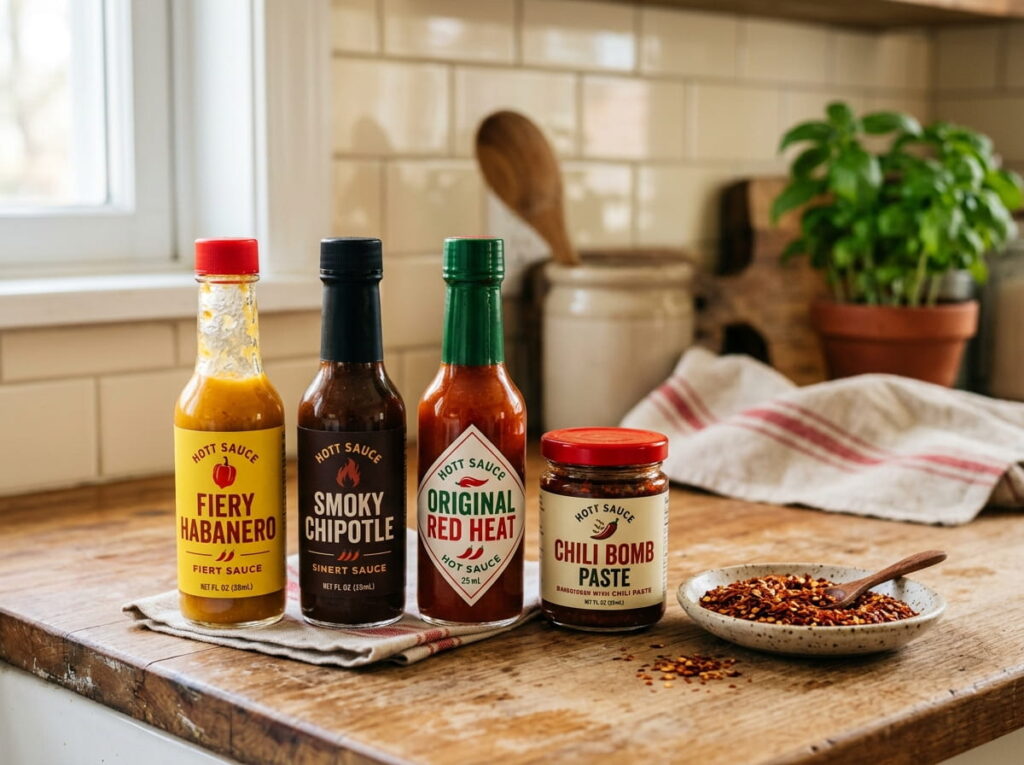
A small bottle of hot sauce sits in the fridge for months and adds real flavor, not just heat, to a dish that's otherwise finished but missing something.
Grab one of these to start:
What to grab first
Different bottles bring different flavors, tangy, smoky, or fruity, so having more than one on hand covers a wider range of dishes than a single go-to bottle.
23. Worcestershire Sauce for Depth in Meat and Gravy Dishes
A dash of Worcestershire sauce is what a lot of recipes are quietly missing, adding a savory depth that's hard to place but easy to notice once it's gone.
A gravy or beef dish that tastes fine but somehow a little flat.
The same dish with real depth, thanks to just a teaspoon or two stirred in.
24. Honey or Maple Syrup for Balancing Savory Dishes
A small amount of sweetness rounds out a dish that leans too acidic or too salty, and honey or maple syrup does that job better than white sugar in most savory recipes.
A small spoonful goes further than expected in a savory dish. Start light and adjust from there.
Both keep for a long time in the pantry, and either one works in a marinade, a glaze, or stirred into a sauce that needs rounding out.
25. A Basic Freezer Backup Protein Like Sausage or Bacon
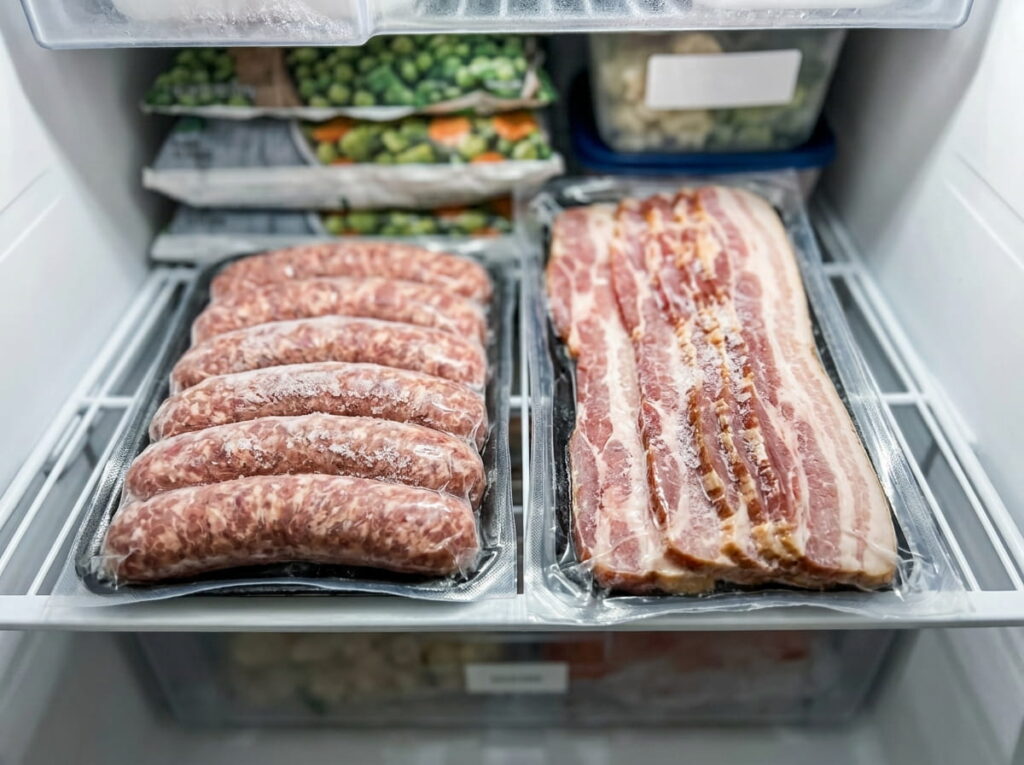
A package of sausage or bacon in the freezer solves the nights when nothing else planned actually panned out.
Keep one package of sausage links and one of bacon in the freezer.
Thaw a portion in the fridge or use the microwave defrost setting in a pinch.
Pair with eggs, pasta, or vegetables for a fast dinner built around whatever else is on hand.
Conclusion
A stocked pantry doesn't guarantee a great dinner every night, but it does mean there's always a real starting point instead of an empty fridge and a takeout menu. These quick dinner pantry staples work because they're flexible, most of them show up in a dozen different meals rather than just one specific recipe.
Building this list out doesn't need to happen all at once. Add a few staples each grocery trip, check what's already stocked before buying more, and the gaps close faster than expected. Before long, most weeknights only need one or two fresh ingredients to finish off a meal that's mostly already on the shelf.
Bookmark this list and check back against it every so often, since it's built to be a reference, not a one-time read.