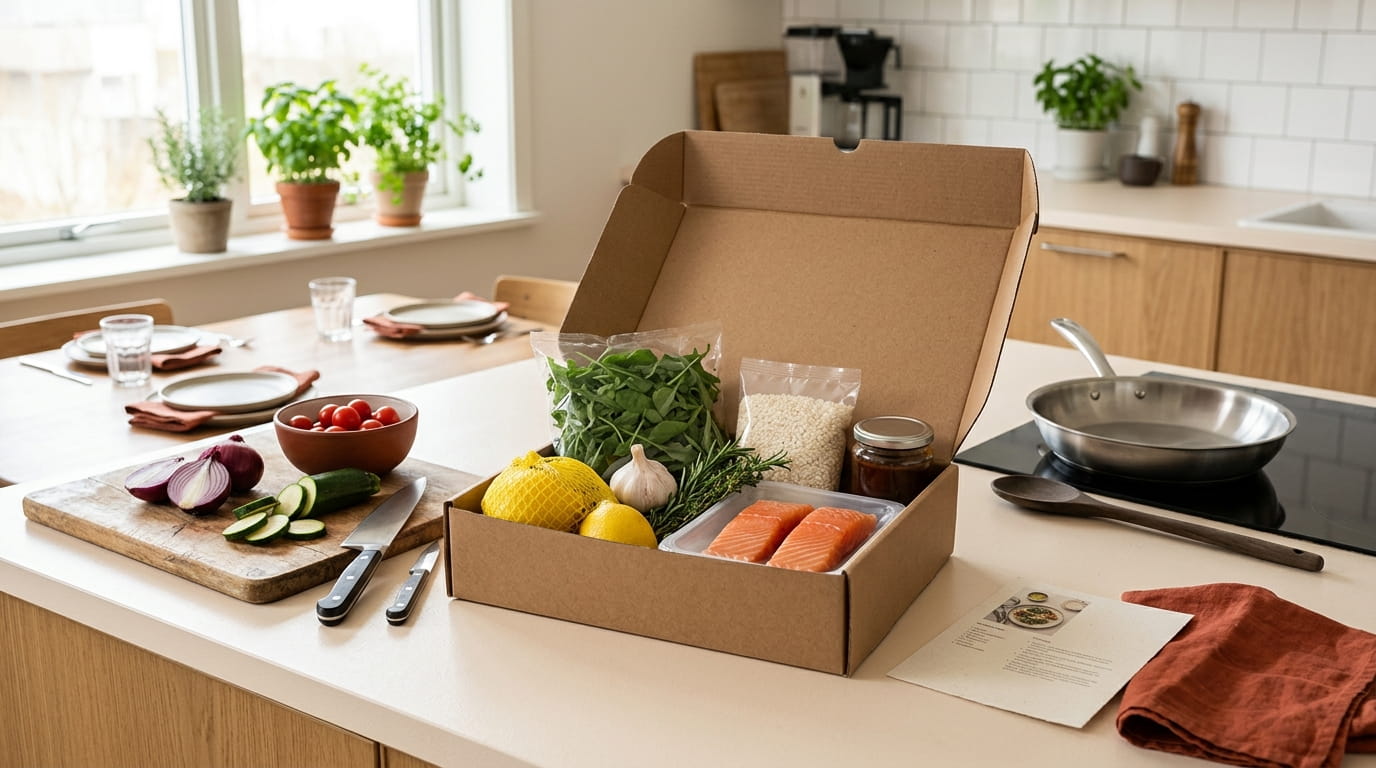
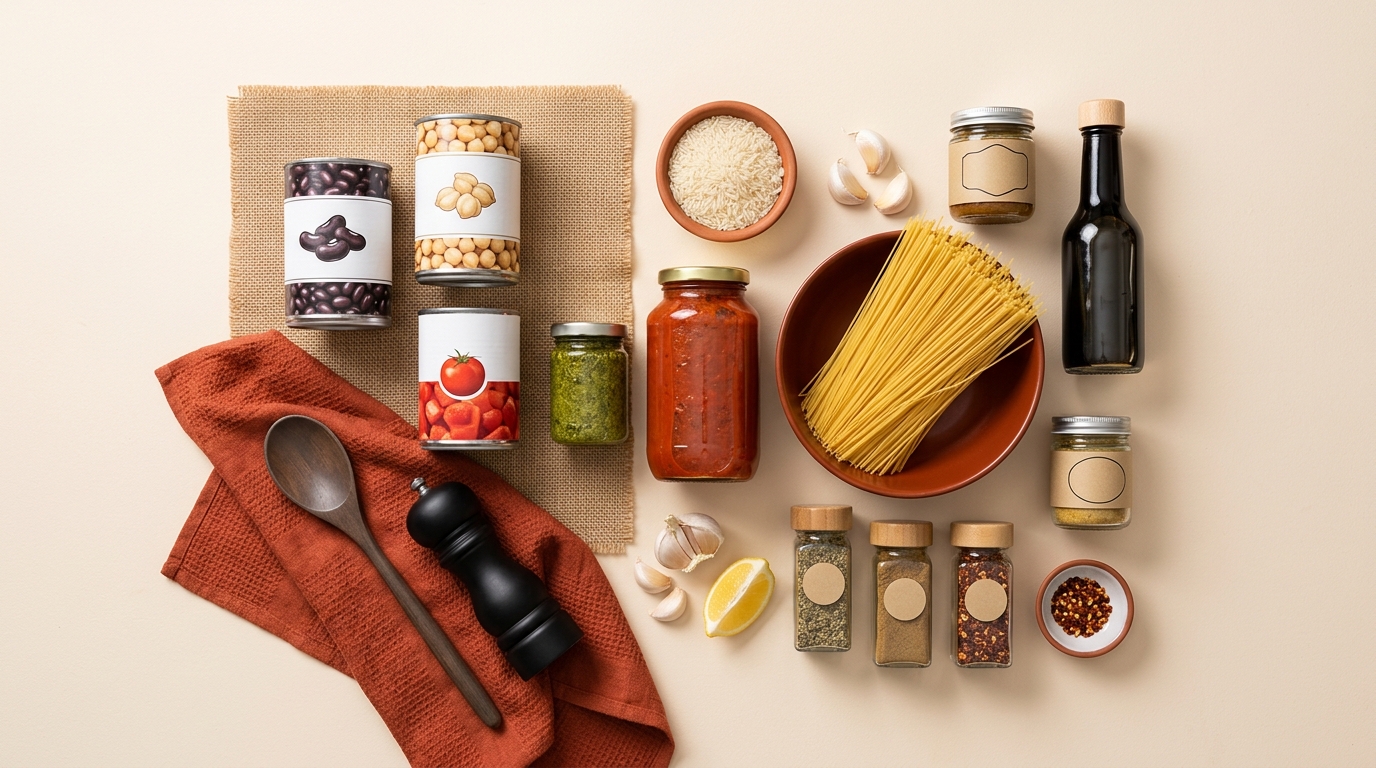
Weeknight cooking falls apart for one simple reason. Too many pans. You brown the meat in one, boil the pasta in another, and by the time dinner is ready, the sink looks worse than the meal tasted good.
That’s the whole appeal of one skillet dinner ideas. One pan handles the browning, the simmering, and usually the sauce too, so flavor keeps building in the same spot instead of scattering across three different pots. Less to scrub means dinner actually feels doable on a Tuesday, even after a long day.
This list sticks to that rule. Every recipe here uses a single skillet from start to finish, and each one includes a real trick, a layering order, or a common mistake to skip so a quick dinner doesn’t turn into a soggy one. Some lean spicy, some are plain comfort food, but all fifteen are built to get everyone fed without stacking dishes in the sink.
The One-Pan Order of Operations
How Flavor Builds in One Skillet
Brown or Sear First
Meat hits the hot pan before anything else, laying down the fond everything after it builds on.
Cook Vegetables in What’s Left
Peppers, onions, or mushrooms go in next, picking up flavor from the fat already in the pan.
Deglaze Into the Sauce
Broth or liquid scrapes up those browned bits, turning drippings into the base of the sauce.
Simmer the Starch Right In
Rice, orzo, or noodles cook directly in that seasoned liquid instead of a separate pot.
Finish Last, Off the Heat
Cheese, glaze, or garnish goes on at the very end so it melts or sets instead of burning.
1. One-Skillet Lemon Garlic Chicken and Rice
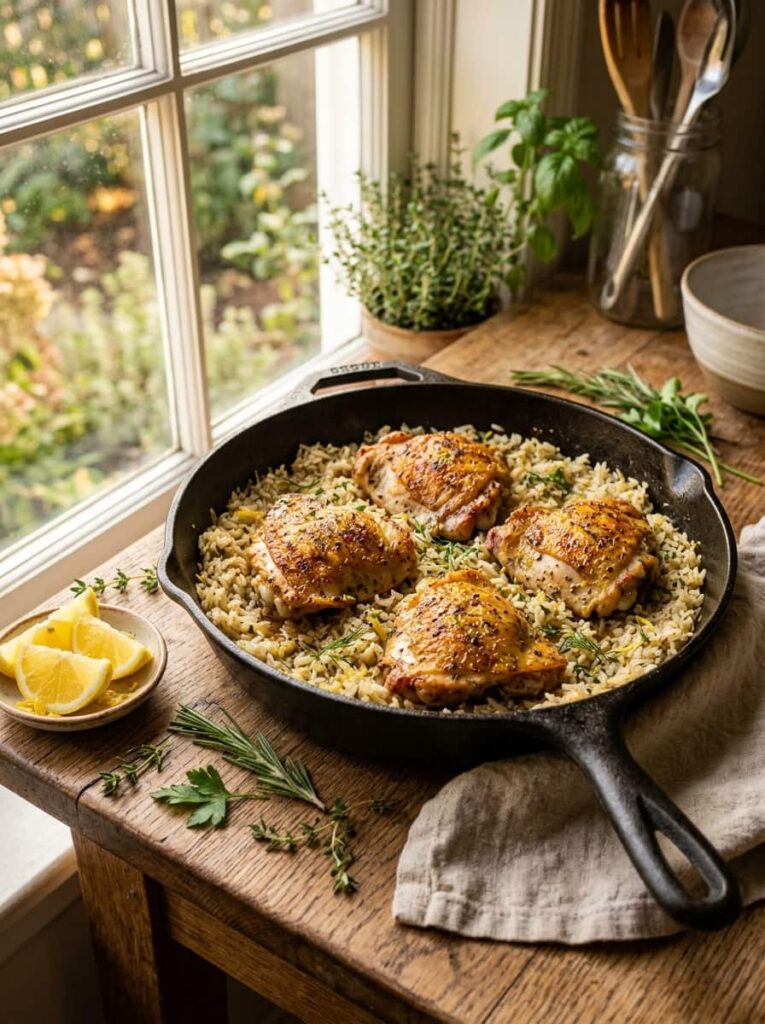
Dinner’s on the table in under 45 minutes, and it never leaves the skillet.
Three things make this one work:
- Brown the chicken first so the pan picks up fond on the bottom
- Toast the rice in those drippings before the broth goes in
- Nestle the chicken back on top for the last few minutes so it finishes in the steam
The lemon keeps the whole pan bright instead of heavy, and cleanup is just the one pan you started with.
2. The Pan Trick That Keeps Sausage and Pepper Orzo From Turning Mushy
Most orzo dishes go wrong the same way. All the broth gets dumped in at once, and the orzo turns into a starchy clump before the sausage even finishes browning.
Add the liquid in two rounds instead. The orzo can actually absorb it instead of drowning in it, which keeps each piece separate instead of gluey. Brown the sausage and peppers first, push them to the side, then toast the orzo in the open space before either round of broth goes in.
It takes maybe two extra minutes, and it’s the difference between a dish that looks like the photo and one that looks like paste.
💡 Quick Tip
Add the broth in two splashes instead of one pour. The orzo stays separate instead of clumping into paste.
3. Beef and Broccoli, Finished in the Same Skillet You Seared It In
Sear the beef hard and fast in a hot skillet, then pull it out before it’s fully cooked. It finishes later in the sauce.
Cook the broccoli in the same pan next, using the leftover beef fat instead of fresh oil. Once it’s crisp at the edges, add the sauce and let it bubble down for a minute before the beef goes back in.
Everything picks up flavor from the pan before it, which is the entire point of doing this in one skillet instead of juggling a wok and a saucepan.
4. A Shrimp Fajita Skillet That Skips the Sheet Pan
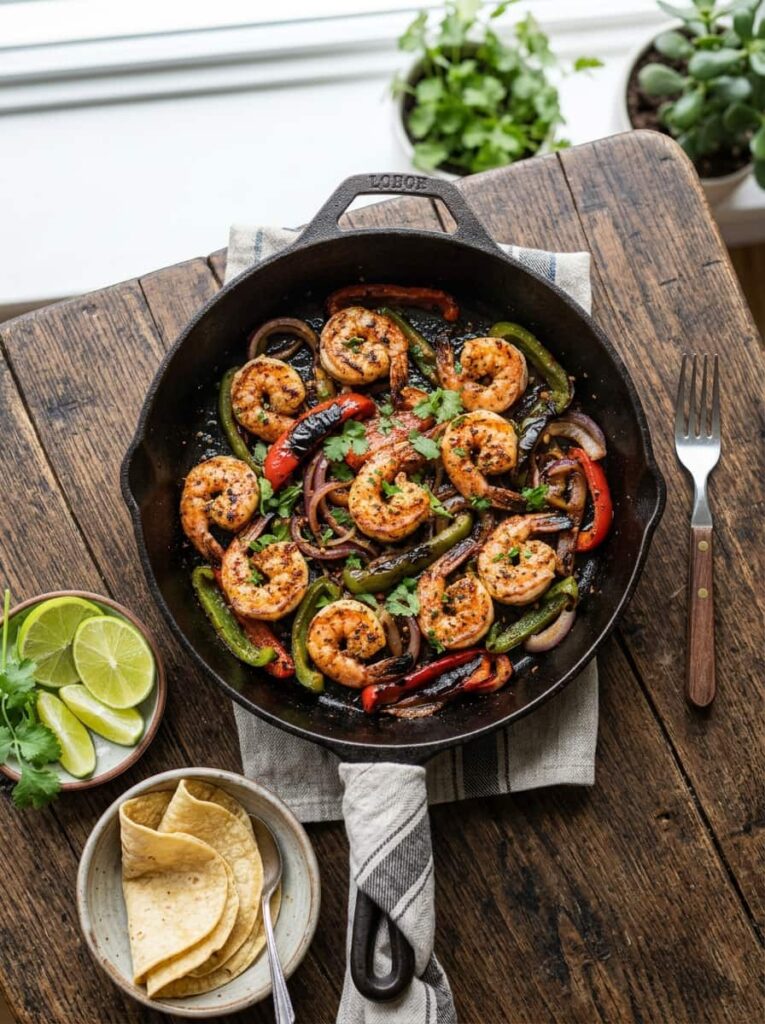
Shrimp overcooks fast, and it’s usually the first thing to go rubbery when everything hits the pan at the same time.
The order matters here. Cook the peppers and onions first, until they’re soft with a little char, then push them to one side of the skillet. Add the shrimp last, only for two to three minutes per side.
By the time the shrimp turns pink, the vegetables are already done, and everything gets tossed together off the heat so the shrimp doesn’t sit in the pan any longer than it needs to.
Cook the peppers and onions first, until soft with a little char.
Push the vegetables to one side of the skillet to make room.
Add the shrimp last, just two to three minutes per side.
5. Chicken Parmesan Without a Second Pot for Sauce
Pat the chicken dry before it touches the pan. That’s the one step that keeps the crust from steaming instead of browning.
Sear the cutlets first, then set them aside on a plate. Build the sauce right in the same skillet, scraping up the browned bits as it simmers. Once the sauce has reduced a little, nestle the chicken back in, top with cheese, and let it melt under a loose lid instead of the oven.
One pan, one pot of sauce, and the crust still holds because it never got soggy in a separate baking dish.
Pat the chicken fully dry before searing.
Let the sauce simmer down before adding cheese.
Crowding the pan so the crust steams instead of browns.
Piling on cheese before the sauce reduces.
6. Sausage and Spinach Gnocchi in One Pan
The pan starts to smell like garlic and browned butter almost right away, and the gnocchi picks up little golden edges instead of staying pale and soft. That’s the part that makes this dish look like it took more effort than it did.
Wilt the spinach in at the very end, off the heat, so it doesn’t turn into a soggy pile at the bottom. A splash of broth loosens the sauce if it thickens up too fast.
Everything here comes together quickly, so it helps to have it all measured out before the pan gets hot.
What to grab first
7. Cajun Chicken and Rice That Builds Its Own Sauce
The Cajun seasoning left in the bottom of the skillet after the chicken browns is doing more work than people give it credit for. Instead of rinsing that out, the rice goes right into it, along with the broth, and simmers until it’s soaked up every bit of that color and spice.
Plain rice cooked on the side would take on none of that. Cooking it in the same pan the chicken just left is what turns a basic weeknight plate into something that tastes seasoned all the way through, not just on top.
Plain rice, cooked separately, tastes like whatever seasoning gets sprinkled on top.
Rice simmered in the seasoned drippings, carrying flavor in every bite.
8. Taco Pasta for the Nights You Don’t Want Dishes
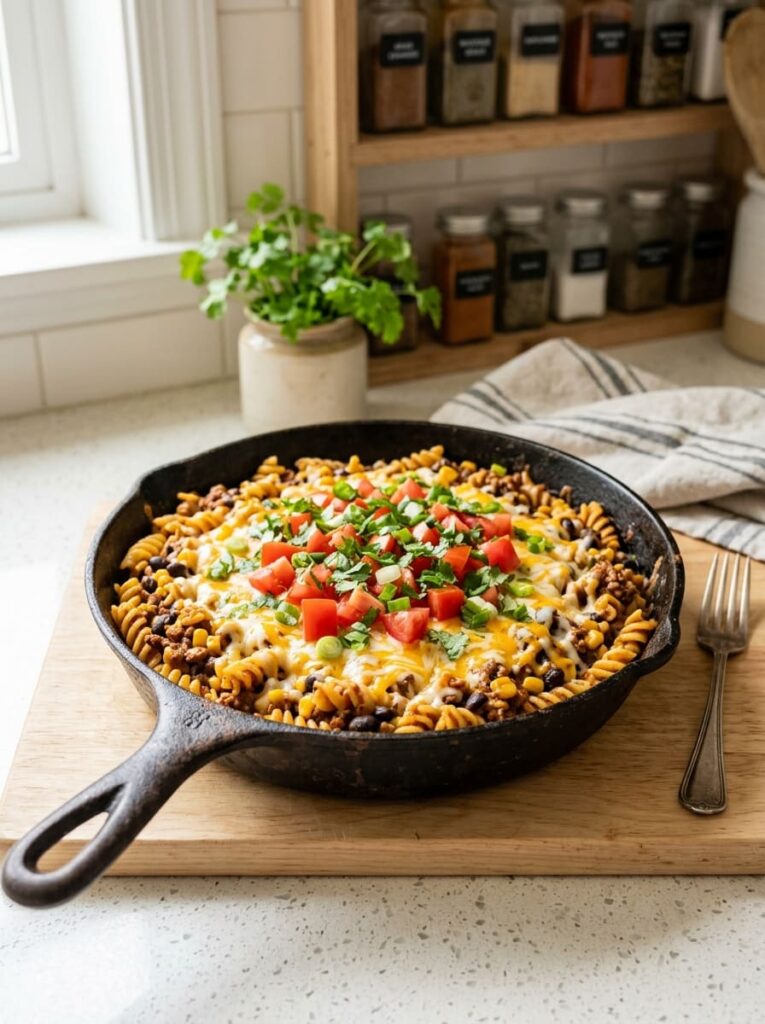
Ground beef gets dumped in without adjusting anything else, and the sauce ends up greasy instead of rich. Whatever protein goes in this skillet, the fat needs to be drained off before the taco seasoning and tomatoes join it, or the sauce turns thin and slick instead of clinging to the noodles.
Ground turkey needs a little extra oil in the pan since it’s leaner. A plant based crumble cooks faster than either one, so it goes in a few minutes later than the recipe calls for with meat.
| Protein | Adjustment |
|---|---|
| Ground beef | Drain fat before adding sauce |
| Ground turkey | Add a splash of oil, it’s leaner |
| Plant based crumble | Add a few minutes later, cooks faster |
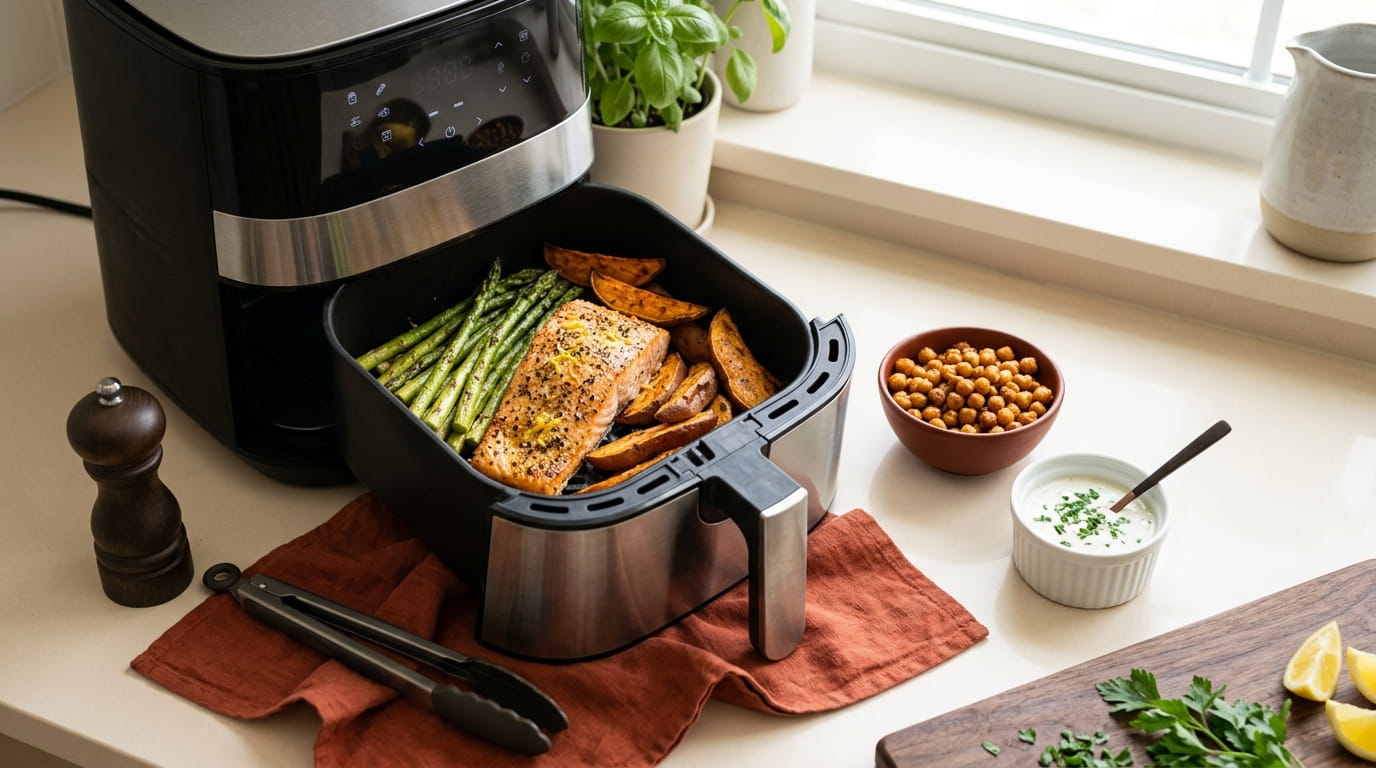
9. Garlic Butter Salmon and Veggies in 20 Minutes, One Pan
Salmon fillets go straight from the fridge to a hot skillet on nights when there’s no time to marinate anything or wait on the oven. Skin side down first, and then it just sits there.
The fish tells you when it’s ready to flip. It releases on its own once the skin crisps, and forcing it before that tears the fillet apart. Garlic butter goes in during the last minute, spooned over the top while the vegetables finish alongside it in the same pan.
Don’t flip the salmon until it releases on its own. Forcing it early tears the skin and the fillet both.
10. Chicken Fajitas Without Firing Up the Grill
A grill gets a better char, there’s no arguing that. But a well heated cast iron or stainless skillet gets close enough that most people can’t tell the difference once everything is plated with lime and warm tortillas.
Get the pan hot before anything goes in, hotter than feels necessary, so the peppers and onions actually char instead of steaming in their own liquid. That’s the part a skillet has to work harder for, since it doesn’t have open flame doing it automatically.
💡 Quick Tip
Let the pan sit empty over high heat for a full minute before adding oil. That head start is what gets real char without a grill.
11. Sausage and Potato Hash for Clearing Out the Fridge
Whatever’s wilting in the crisper drawer probably works here. A hash is forgiving that way, since the potatoes take the longest to cook and everything else just needs to catch up by the time they’re tender.
Cube the potatoes small, close to half an inch, so they cook through before the sausage dries out. Give them a real head start alone in the skillet, ten minutes at least, before the sausage and any extra vegetables join in.
It’s less a recipe and more a formula, which makes it one of the easier weeknight dinners to repeat without getting bored of it.
12. Beef Stroganoff That Skips the Extra Pot for Noodles
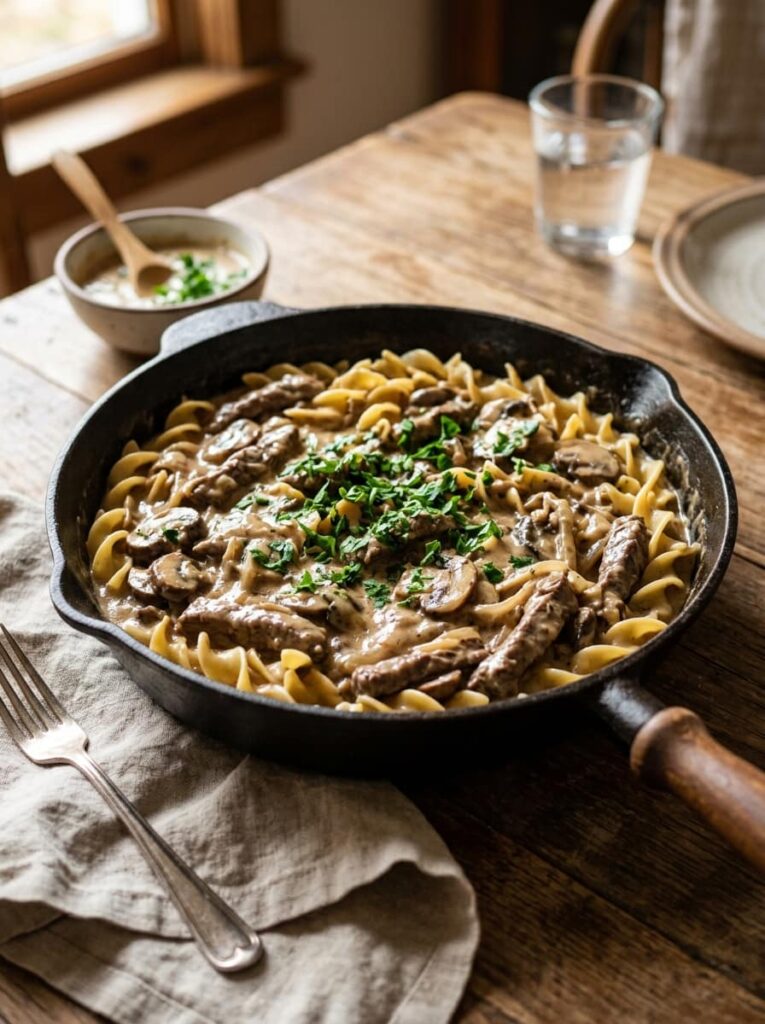
Brown the beef first, then set it aside so the mushrooms have room to actually sear instead of steaming in the crowded pan. That step alone gets rid of the grayish, boiled texture stroganoff often ends up with.
The order after that matters just as much as the browning does:
- Deglaze the pan with broth, scraping up the browned bits from the beef
- Add the noodles right into the broth to simmer and soften in the same skillet
- Stir in sour cream off the heat, once the pan has cooled slightly so it doesn’t curdle
Deglaze the pan with broth, scraping up the browned bits.
Add the noodles right into the broth to soften as it simmers.
Stir in sour cream off the heat, once things have cooled slightly.
13. Mediterranean Chicken and Orzo, Everything in One Pan
A lot of people assume orzo just goes in like any other pasta, straight into boiling liquid until it’s soft. Skipping the toast step is the main reason this dish comes out bland instead of nutty and rich.
Toast the dry orzo in the pan for a minute or two before any liquid touches it, right where the chicken was seared. That’s what gives it depth instead of just starch. Adding all the broth in one pour is the other misstep, since orzo needs it added gradually to cook evenly instead of clumping in the middle.
Toast the dry orzo before adding any liquid.
Add the broth in stages, not all at once.
Dumping all the broth in at once.
Walking away while it simmers, it needs a stir.
14. Turkey Chili Mac That Never Leaves the Skillet
The upside of a one pan chili mac isn’t just dinner, it’s what happens after. Since everything cooked together, it reheats together too, without the pasta drying out separately from the sauce the way leftovers often do.
Let it cool fully before sealing it up so condensation doesn’t turn the noodles soft. A splash of broth when reheating brings the sauce back to where it started, since the noodles keep drinking it in even in the fridge.
- Cool completely before covering, about 30 minutes on the counter
- Store in a sealed container for up to four days
- Reheat with a splash of broth or water stirred in
Storing the leftovers
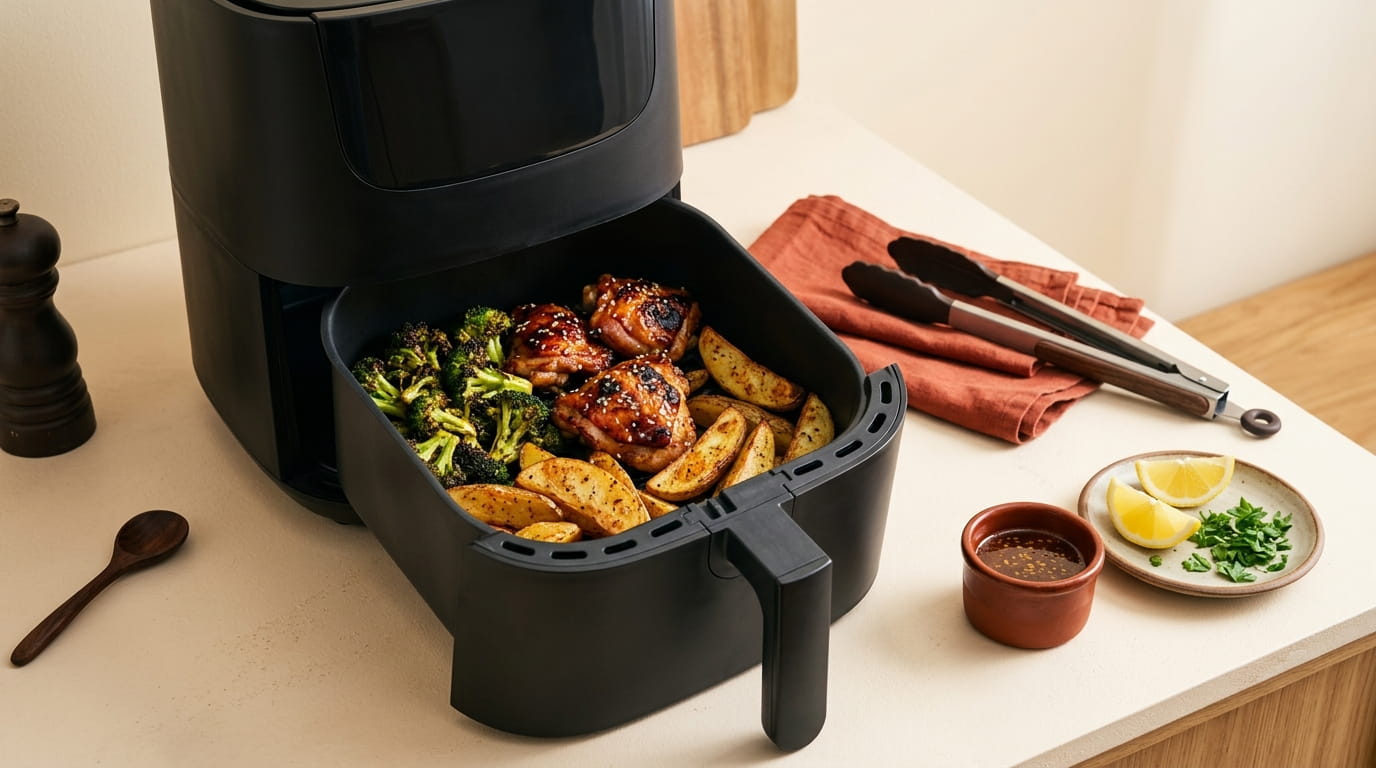
15. Honey Garlic Chicken Thighs to Close Out the List
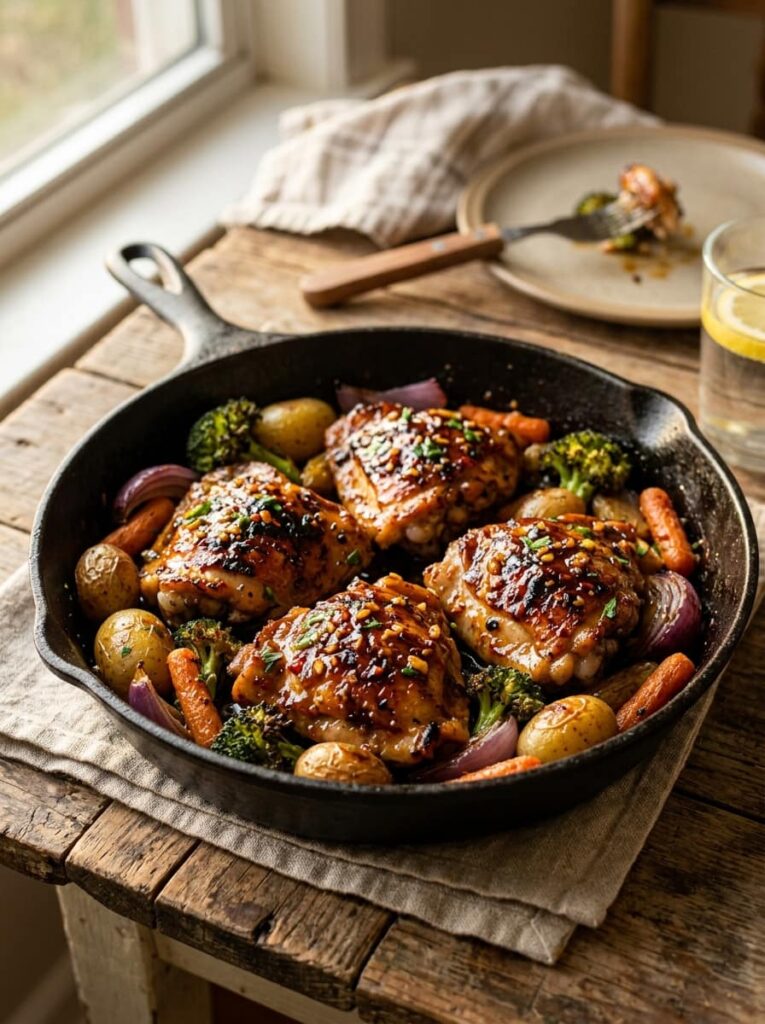
Thighs go in skin down first, left alone until the fat renders out and the skin turns deep gold on its own. Moving them too soon is the easiest way to lose that crust.
The glaze comes together in the same fat once the chicken is set aside, honey and garlic reduced down until it turns thick and sticky instead of thin and watery. Brushing it on too early just burns the honey, so it goes on last, spooned over the chicken right before serving.
A thin honey garlic sauce that runs off the chicken instead of clinging to it.
Reduced until sticky and glossy, coating every side of the thigh.
Conclusion
Fifteen dinners, one pan each, and not one of them asks for a second pot to get dirty in the process. That’s really the point behind good one skillet dinner ideas. The pan builds flavor as it goes instead of scattering it across the stove, and cleanup stops being the reason weeknight cooking feels like a chore.
Some of these lean spicy, some lean toward comfort food, and a few are just built for using up whatever’s already in the fridge. Pick whichever fits the week you’re actually having.
Save this list for the next time dinner needs to happen fast, without a sink full of pans waiting after.