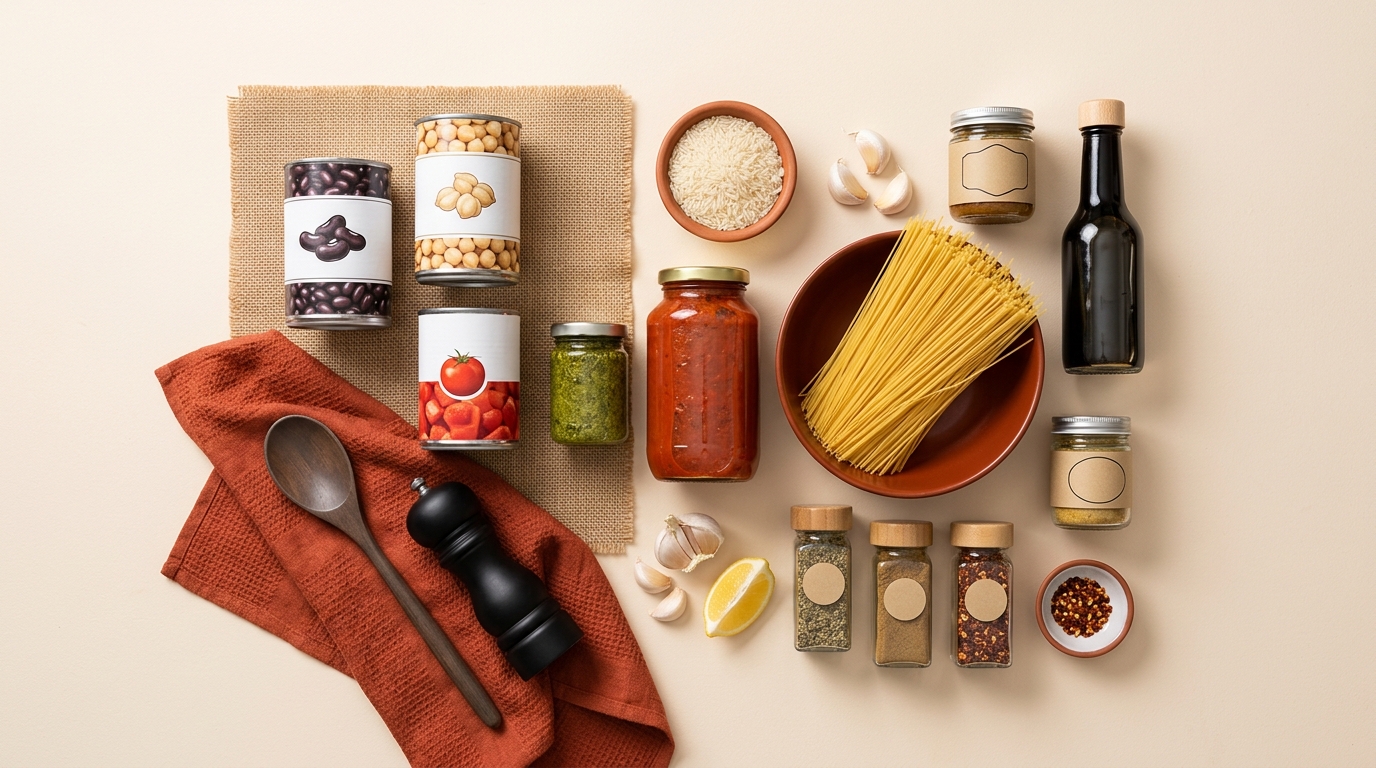
Opening a container on day three to find brown, wilted lettuce sitting in a puddle of dressing is exactly why so many people give up on meal prep salads after one bad week. The good news is that soggy salad recipes for meal prep are not actually a lost cause, the problem almost always comes down to a handful of fixable habits, not the concept of prepping salads itself.
This guide walks through the real reasons salads go bad early and the specific fixes for each one. Some of it is about layering order. Some of it is about which greens actually hold up and which ones never had a chance. A few tricks involve keeping certain ingredients completely separate until the moment before eating.
None of this requires special equipment beyond a few good containers. Follow the order and storage habits below, and a salad made on Sunday can still taste crisp and fresh by Friday, no sad, soggy lunch required halfway through the week.
1. Why Most Meal Prep Salads Go Soggy by Wednesday and What Actually Causes It
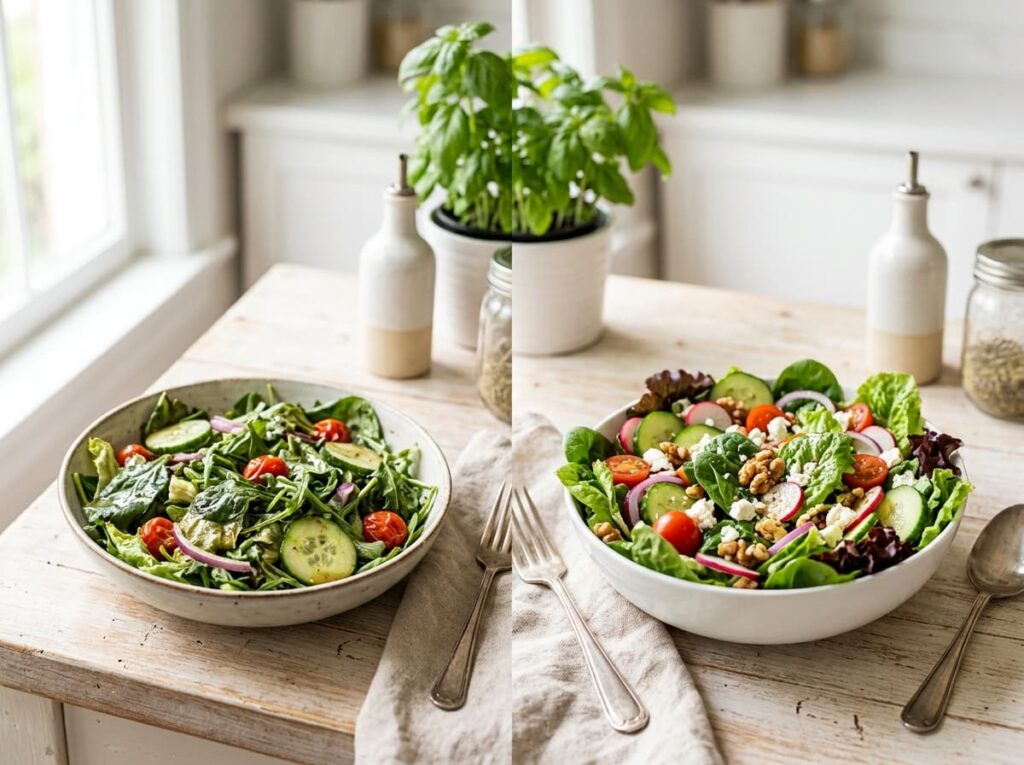
A soggy salad is not really about time passing, it is about moisture with nowhere to go. Dressing sitting directly on lettuce, wet greens packed while still damp, watery vegetables touching everything else, all of it adds up to the same wilted result days before the salad was supposed to be eaten.
What actually causes the sogginess:
- Dressing mixed in before storage instead of kept separate
- Greens packed away while still wet from washing
- Watery vegetables like cucumber and tomato touching delicate leaves directly
Fixing even one or two of these habits makes a noticeable difference by the end of the week.
2. Building a Mason Jar Salad in the Right Layer Order From Bottom to Top
A mason jar salad works specifically because gravity keeps the wettest ingredients away from the greens until the jar gets flipped upside down into a bowl.
💡 Quick Tip
Dressing goes on the very bottom, followed by hard vegetables, then grains or beans, with greens packed loosely on top where they stay dry.
3. Keeping Dressing Separate Instead of Tossing It In on Prep Day
Dressing tossed in on Sunday has five full days to soak into every leaf before the salad even gets eaten, which is really the single biggest cause of a soggy container by midweek.
Dressing tossed in on prep day, soaking into leaves for days before eating.
Dressing stored separately, added fresh right before each meal.
4. Choosing Sturdy Greens That Actually Hold Up for Five Days in the Fridge

Not every green stands a chance at surviving a full week, and reaching for the wrong one sets a salad up to fail before a single other decision gets made.
What actually holds up:
- Romaine, which has a firm rib structure that resists wilting
- Kale, especially when massaged slightly before storing
- Cabbage, sliced thin, which stays crisp far longer than lettuce
Save delicate greens like spinach or spring mix for salads meant to be eaten within a day or two.
What actually holds up
5. Drying Greens Completely Before They Ever Touch a Container
Water left clinging to washed greens does almost as much damage as dressing does, since that moisture has nowhere to go once the lid closes.
6. The Order to Layer a Meal Prep Salad So Nothing Wilts Early
Beyond a mason jar, the same layering logic applies to any container, wide mouth jars, rectangular containers, or bento style boxes with dividers.
- Place the dressing or any wet ingredient at the very bottom, farthest from the lid opening
- Add sturdy vegetables and grains next, since they can handle contact with a little moisture
- Finish with dry, delicate ingredients like greens and herbs on top, where they stay untouched until served
This order matters more than the container shape itself, so it works whether the salad is going into a jar or a flat container.
Place the dressing or any wet ingredient at the very bottom.
Add sturdy vegetables and grains next, since they can handle some moisture.
Finish with dry, delicate ingredients like greens on top, untouched until served.
7. A Common Mistake That Makes Watery Vegetables Ruin an Entire Container
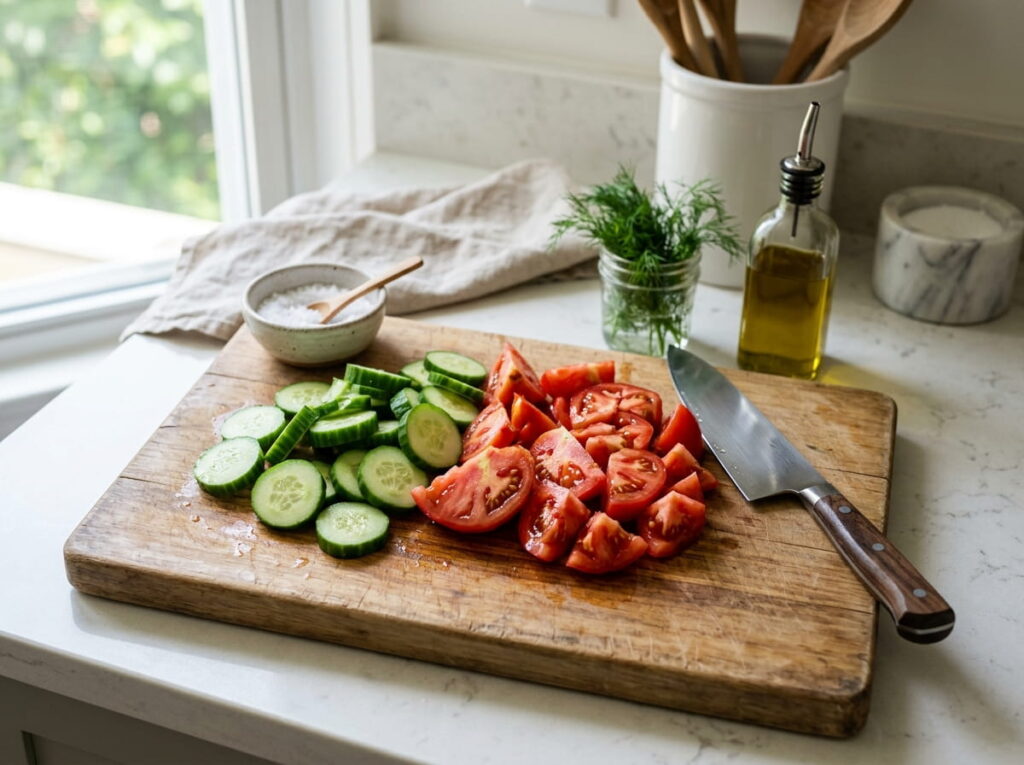
Cucumber and tomato release a surprising amount of liquid once cut, and tossed straight in with everything else, they slowly turn the whole container watery even when the dressing itself was kept separate.
Seed cucumbers and tomatoes before chopping to remove excess liquid.
Store them in a separate small container if the salad needs to last long.
Tossing whole diced tomatoes in with everything else for the full week.
Assuming keeping dressing separate alone will solve the moisture problem.
8. Choosing Between Glass Containers and Mason Jars for Weekly Salad Prep
Both work, but they suit slightly different salad styles and daily routines.
| Mason Jars | Rectangular Containers |
|---|---|
| Layers naturally, needs flipping into a bowl to eat. | Easier to eat straight from the container. |
| Great for desk lunches with a bowl on hand. | Better for eating on the go without extra dishes. |
9. Keeping Delicate Toppings in Their Own Small Container Until the Last Minute
Croutons, nuts, and crumbled cheese all lose their appeal fast once they sit against anything damp, going soft in a way that changes the whole texture of the salad.
Anything meant to be crunchy needs its own small container, added only right before eating.
10. A Simple Way to Salt Watery Vegetables Before They Ever Reach the Salad
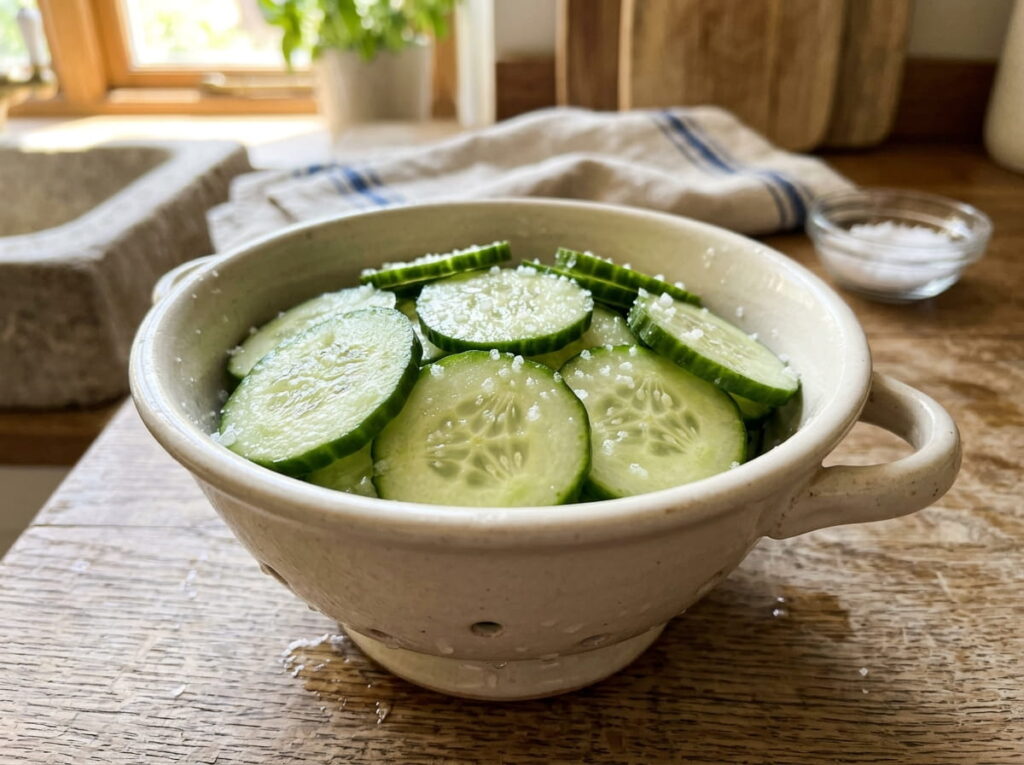
Salting cucumber slices and letting them sit in a colander for about twenty minutes pulls a surprising amount of water out before they ever get added to the salad, solving the sogginess problem before it starts.
- Slice cucumbers thin and lay them in a colander
- Sprinkle lightly with salt and let them sit for twenty minutes
- Pat dry with a paper towel before adding to the salad
- Skip this step for vegetables going into their own separate container instead
This step matters most when watery vegetables have to sit mixed in with everything else for several days.
- ▸Slice cucumbers thin and lay them in a colander
- ▸Sprinkle lightly with salt and let sit for twenty minutes
- ▸Pat dry with a paper towel before adding to the salad
11. Building a Grain Based Salad That Actually Improves the Longer It Sits
A salad built around farro, quinoa, or barley instead of lettuce solves the sogginess problem almost entirely, since grains soak up dressing and flavor over time instead of wilting from it.
12. Storing Cheese and Nuts Separately So They Stay Crisp Instead of Going Soft
Feta, walnuts, and similar toppings absorb moisture from everything around them fast, turning soft and losing the contrast they were supposed to add to the salad in the first place.
💡 Quick Tip
Keep a small stack of tiny containers just for toppings, so cheese and nuts stay separate without needing a new plan every week.
13. Turning a Wilted Looking Salad Around With One Quick Fix Before Eating
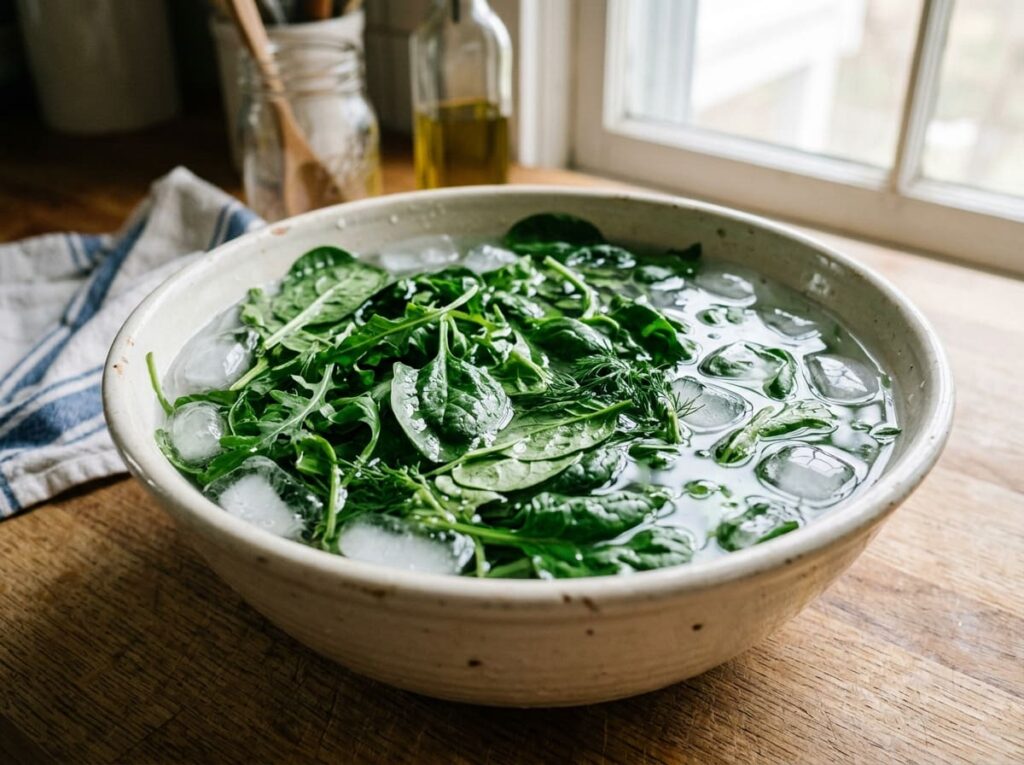
A salad that looks a little tired by day four is not always past saving, and one small trick can bring back some of the crunch before writing the whole thing off.
Slightly limp greens that look like they are past their best.
A quick ice water soak bringing back noticeable crispness before serving.
14. Building a Rotation of Three Salads So the Same One Never Repeats All Week
Prepping the same exact salad for five straight days makes anyone tired of it by Wednesday, regardless of how well it held up in the fridge.
What to include in a rotation:
- One grain based salad that holds up the longest
- One lettuce based salad, planned for the earlier part of the week
- One protein forward salad that works as a heartier lunch or dinner
- A shared set of toppings that mix and match across all three
Rotating through even just three bases keeps the week from feeling repetitive without tripling the prep work.
What to include in a rotation
15. Freezing Grapes or Berries Instead of Letting Fresh Fruit Turn to Mush
Fresh berries and grapes rarely survive a full week in a salad container, breaking down into a mushy, juice leaking mess well before the greens even start to wilt.
16. A Quick Way to Tell If a Prepped Salad Has Actually Gone Bad Instead of Just Wilted
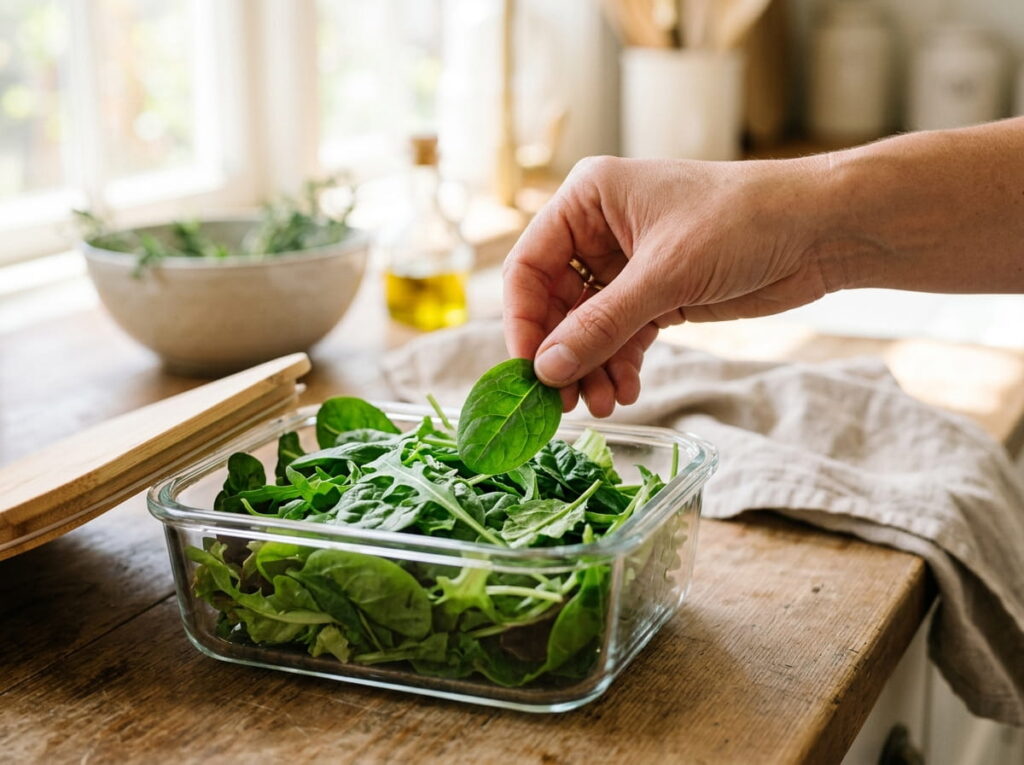
Wilted and spoiled are not the same thing, and knowing the difference saves a perfectly fine lunch from getting tossed out unnecessarily.
- Check for a sour or off smell, which signals actual spoilage rather than just wilting
- Look for sliminess on the greens themselves, not just softness
- If it only looks limp but smells and feels normal, it is very likely still fine to eat
A slightly tired looking salad is not automatically a wasted one, so this quick check is worth doing before throwing anything away.
Check for a sour or off smell, which signals real spoilage.
Look for sliminess on the greens themselves, not just softness.
If it only looks limp but smells and feels normal, it is likely still fine.
17. Prepping Protein Separately From the Rest of the Salad for the Best Texture
Chicken, shrimp, or hard boiled eggs stored in their own container instead of mixed into the salad from day one hold their texture better and give more flexibility over which salad they end up paired with.
Store cooked protein in its own labeled container.
Add it cold or reheated right before eating, not during prep.
Mixing protein directly into the salad on the first day of prep.
Locking one protein to one specific salad for the whole week.
18. A Five Day Salad Plan That Uses the Same Base Ingredients Differently Each Day
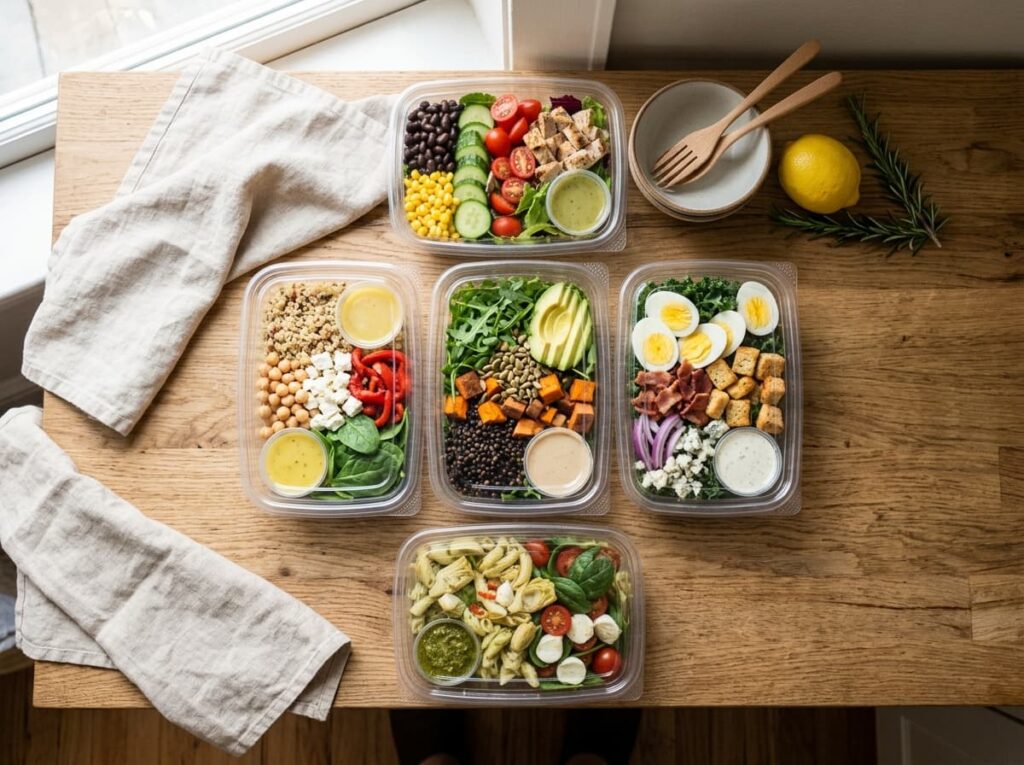
The same core ingredients, greens, a grain, a protein, a few toppings, can turn into five different feeling meals just by changing the dressing and a couple additions each day.
| Base Ingredients | What Changes Daily |
|---|---|
| Sturdy greens, a cooked grain, and a stored protein. | A different dressing added fresh each day. |
| Prepped once at the start of the week. | A rotating topping, nuts one day, cheese the next. |
Conclusion
A soggy container by Wednesday was never really about meal prep failing, it was about a few small habits getting skipped along the way. Keep the dressing separate, dry the greens completely, and store anything crunchy in its own space, and salad recipes for meal prep stop being a gamble and start being something that actually works week after week.
Start with just the layering order and the separate dressing container if nothing else. Those two changes alone solve most of the sogginess problem before any other adjustment is even needed.
Save this list for the next Sunday that needs a plan for salads that actually last.
That completes the article. Let me know if you’d like Stage 6 (image prompts) or Stage 7 (the Pinterest pin pack) next.