Most people grab whatever pasta shape is already in the pantry and pour whatever sauce is in the fridge over it, and that’s exactly why some dinners taste a little off without an obvious reason. A pasta shapes and sauce pairing guide exists because the shape isn’t just about looks, it changes how much sauce actually clings to each bite.
Thin, smooth noodles want a thin, smooth sauce, while a ridged or hollow shape can carry something thicker without drowning in it. Get the pairing backwards and even a great sauce ends up pooling at the bottom of the bowl instead of coating the pasta the way it should.
This guide covers fifteen shapes, from everyday spaghetti to shapes people rarely think to pair intentionally, like bucatini or cavatappi. Each one explains the structural reason behind the pairing, not just a preference, so the logic carries over even to shapes that aren’t listed here. Save this one, since it’s the kind of reference worth checking back on long after the first read.
1. Spaghetti Pairs Best With Smooth, Oil-Based Sauces
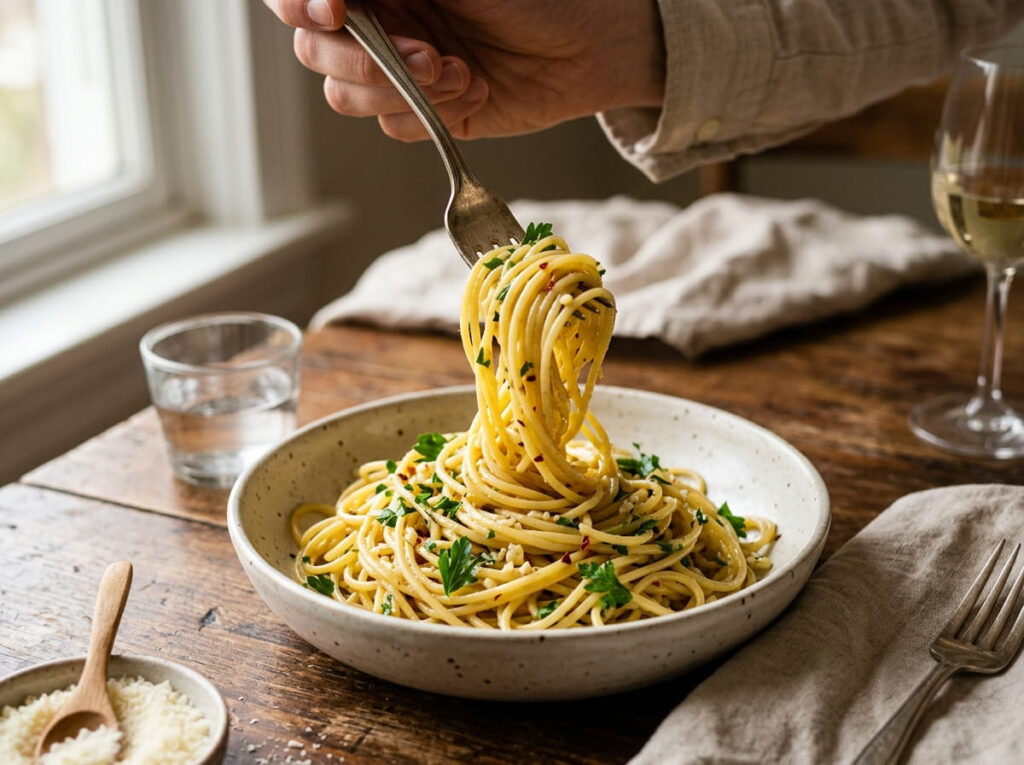
Spaghetti’s smooth, round surface doesn’t grab onto chunky ingredients well, which is exactly why the classic pairings for it lean toward thin, oil-based sauces instead.
A simple garlic and oil sauce, a light marinara, or even a thin pesto coats each strand evenly without pooling at the bottom of the bowl the way a heavier sauce would.
2. Penne Holds Up to Chunky, Vegetable-Heavy Sauces
Penne’s tubular shape and angled cut give it real surface area, and sauce genuinely gets inside the tube itself, not just clinging to the outside.
💡 Quick Tip
Cut vegetables roughly the same size as the penne itself. Pieces too large won’t fit inside the tube and just sit on top instead.
Chunky vegetable sauces, baked pasta dishes, and heartier tomato sauces with ground meat all work well here, since the shape holds onto texture instead of letting it slide off.
3. Fettuccine Was Made for Rich, Creamy Sauces
Fettuccine’s wide, flat surface exists for one real reason, giving a thick sauce like alfredo something substantial to cling to.
The width means every bite carries a real coating of sauce, which is exactly the point of pairing it with something rich instead of something light.
4. Rigatoni Traps Thick, Meaty Sauces in Every Ridge
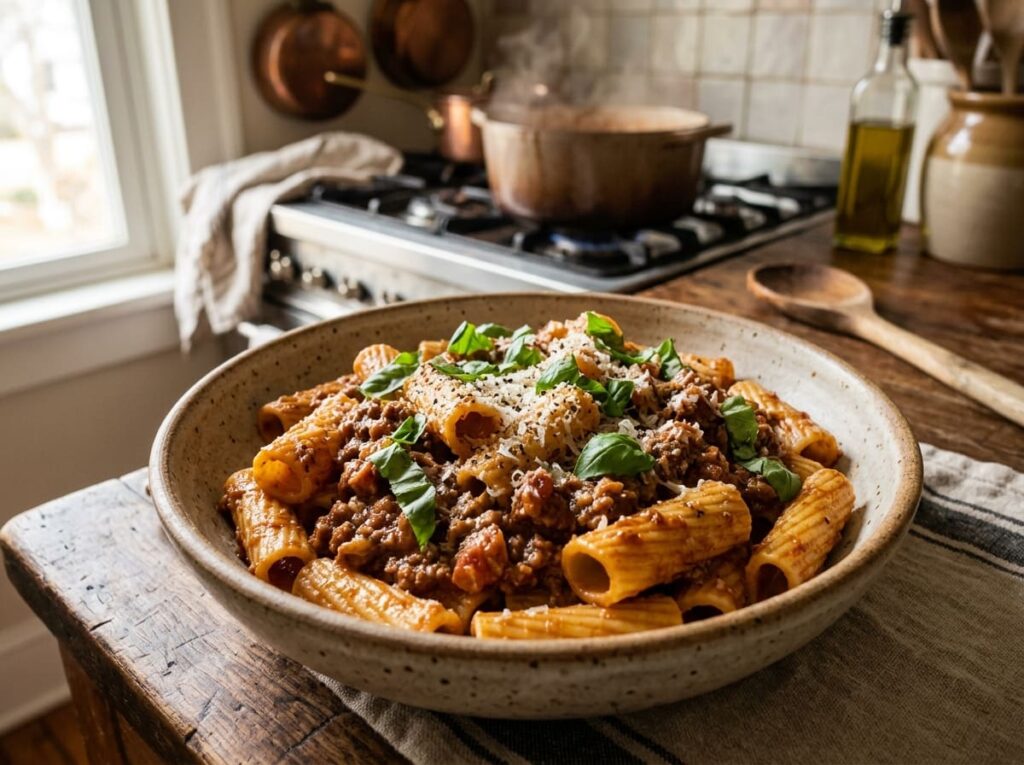
The ridges running along rigatoni’s surface aren’t decorative, they physically hold onto thick sauce that would otherwise slide off a smoother shape.
Pick a sauce with real body, like a bolognese or thick tomato ragu.
Toss the pasta directly in the sauce instead of serving it on the side.
Let it sit for a minute before serving so the sauce settles into the ridges.
This is also the shape that holds up best in a baked casserole, since it doesn’t fall apart under a longer bake time the way thinner pasta can.
5. Angel Hair Needs a Light, Thin Sauce or It Clumps
Angel hair is thin enough that a heavy sauce overwhelms it completely, turning what should be a delicate dish into a clumped, sauce-heavy mess.
Use a light sauce, like a thin marinara or garlic and oil.
Toss and serve immediately, since it cooks and cools fast.
Pairing it with a heavy meat sauce or thick cream base.
Letting it sit too long before serving, since it clumps fast.
6. Farfalle Works Best With Sauces That Cling to Its Folds
Farfalle’s bowtie shape creates folds where a chunky sauce settles naturally, something a flat noodle can’t replicate no matter how thick the sauce gets.
Grab a sauce that fits this shape:
What works well here
The pinched center also holds up well in a salad, which is part of why this shape shows up in cold pasta dishes as often as hot ones.
7. Orecchiette Was Built to Cup Small, Chunky Ingredients
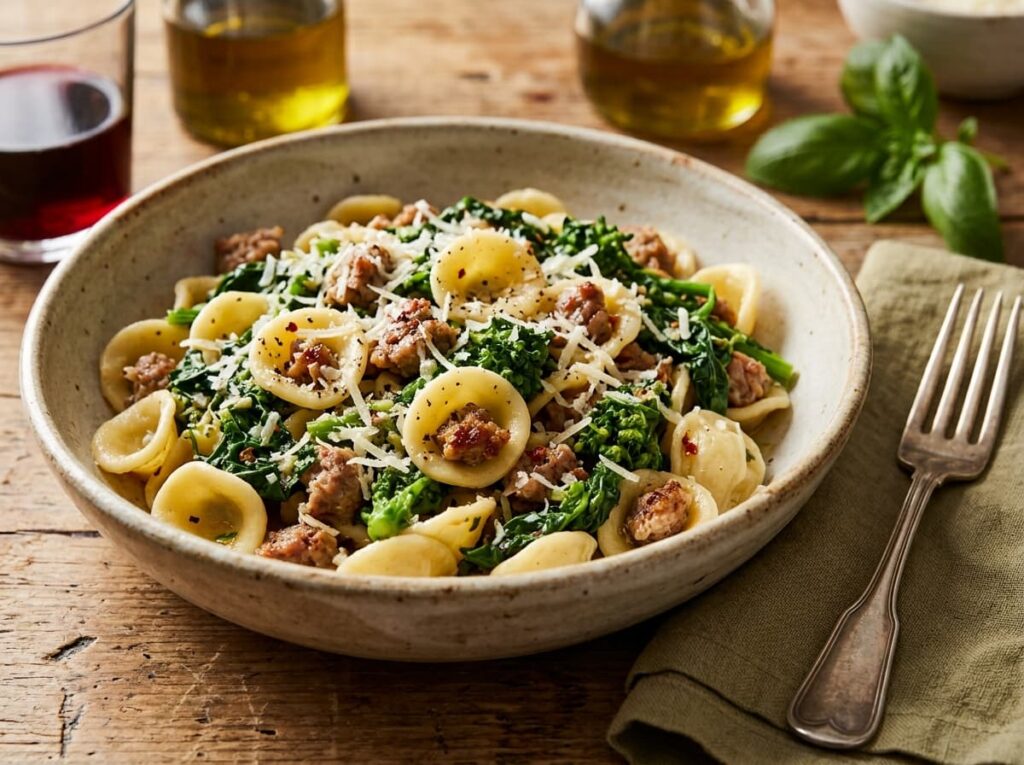
Orecchiette’s small, cupped shape does one thing exceptionally well, catching tiny bits of sausage, broccoli rabe, or beans that would otherwise slide past a smoother shape entirely.
Small crumbles of sausage sinking to the bottom of the bowl, missed with every bite.
Every cupped piece catching a little sausage or vegetable in nearly every bite.
8. Linguine Suits Seafood Sauces Better Than Round Noodles
Linguine’s flat, slightly wider shape holds delicate seafood sauces better than round spaghetti, since the extra surface picks up flavor without overpowering the fish or shellfish.
Linguine vs. spaghetti for seafood:
| Linguine | Spaghetti |
|---|---|
| Flat surface holds sauce evenly | Round shape, sauce slides more easily |
| Traditional pairing for clam sauce | More common with tomato-based sauces |
White clam sauce, shrimp scampi, and light garlic and oil based seafood dishes all lean on linguine for exactly this reason.
9. Fusilli Grabs Onto Pesto in a Way Smooth Pasta Can’t
Fusilli’s tight spirals create more surface area than almost any other shape, which matters most with a thick, herby sauce like pesto that needs somewhere to hold on.
Toss warm fusilli directly with pesto right after draining, while the pasta is still hot enough to help the sauce coat every twist of the spiral.
The spirals only work in pesto’s favor if the pasta is tossed while still hot, right after draining.
10. Lasagna Sheets Need a Sauce Thick Enough to Layer
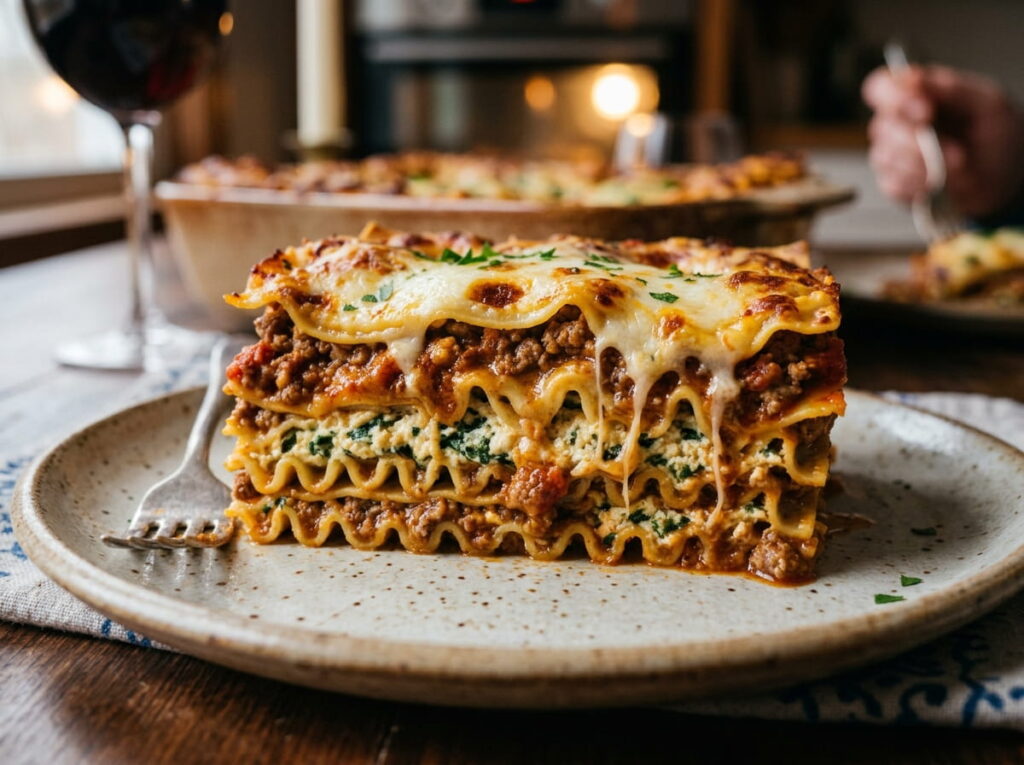
A sauce too thin for lasagna runs straight through the layers during baking, leaving the dish watery instead of holding its shape when sliced.
⚠️ Watch Out
A sauce that seems fine on its own can still turn a lasagna watery once it bakes and releases more liquid. Reduce it a little thicker than usual before layering.
A meat sauce or a thick ricotta-based layer both work, since either one has enough body to stay put through the full bake time instead of pooling at the bottom of the pan.
11. Orzo Works More Like Rice Than Traditional Pasta
Orzo’s small, grain-like shape means it behaves differently than most pasta, absorbing liquid the way rice does rather than getting tossed with a sauce poured over the top.
A light lemon and herb dressing, a broth-based soup, or a risotto-style preparation cooked directly in liquid all suit orzo better than a traditional pasta sauce poured on top.
12. Bucatini Holds a Hollow Center That Changes How Sauce Coats It
Bucatini looks like thick spaghetti at first glance, but the hollow center running through the middle changes the whole eating experience once sauce gets involved.
Choose a sauce with real richness, like a carbonara or amatriciana.
Toss thoroughly so sauce works its way into the hollow center too.
Twirl it the same way as spaghetti, since the shape still eats similarly despite the hollow core.
Every bite carries a little extra sauce hidden inside the noodle itself, something no solid strand can offer no matter how thick it is.
13. Gnocchi Needs a Sauce Light Enough Not to Weigh It Down
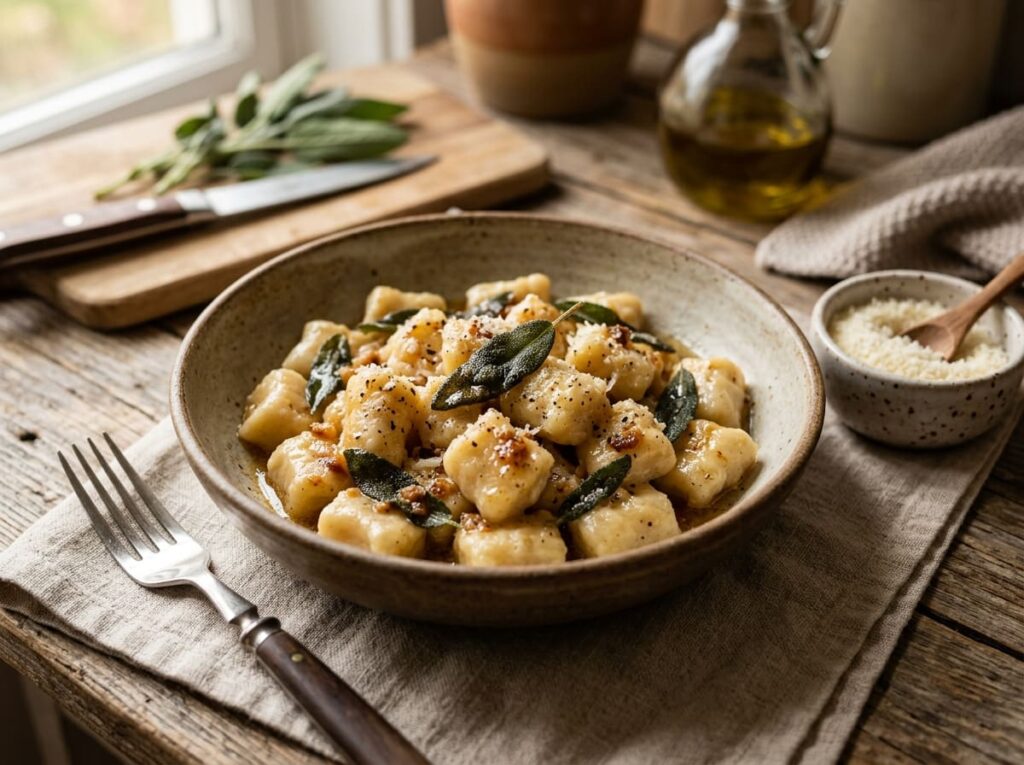
Gnocchi is already dense on its own, and pairing it with an equally heavy sauce turns the whole dish into something closer to a brick than a light dinner.
14. Ravioli and Tortellini Rarely Need More Than a Simple Sauce
Stuffed pasta already carries its own flavor built into the filling, and a heavy sauce on top usually just competes with what’s already inside instead of complementing it.
Grab a sauce that lets the filling shine:
What works well here
Save the bolder, heavier sauces for plain pasta shapes, and let stuffed pasta carry the flavor it already has built in.
15. Cavatappi Was Built for Sauces That Need Somewhere to Hide
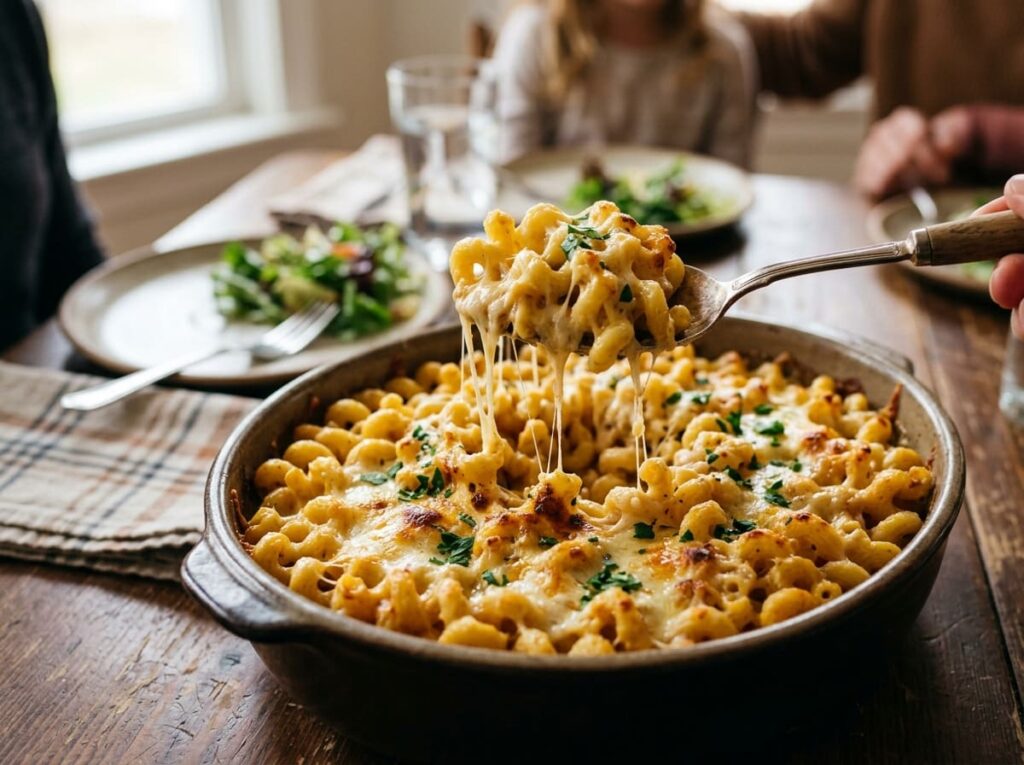
Cavatappi’s corkscrew shape combines a hollow tube with a spiral twist, which means it does double duty, trapping sauce both inside the tube and along the outer curves.
Toss cavatappi with a chunky, cheesy sauce like a baked mac and cheese base, since the shape holds onto melted cheese in a way a flat noodle simply can’t manage.
The double shape, hollow and spiraled, means cavatappi holds onto more sauce per bite than almost any other pasta on this list.
Conclusion
The logic behind a pasta shapes and sauce pairing guide really comes down to one idea repeated fifteen different ways: shape decides how much sauce actually reaches the fork. A smooth strand needs something thin, a ridged tube can carry something thick, and a hollow shape picks up sauce in places a flat noodle never will.
Once that logic clicks, it applies to shapes that aren’t even on this list. Any new pasta at the store can be sorted the same way, by looking at its surface and deciding what kind of sauce actually fits it. That one shift changes how every future pasta night gets planned.
Save this guide for the next trip down the pasta aisle, when the shape in hand needs a sauce that actually makes sense with it.