Most slow cooker recipes lean hard on cream soups, processed sauces, and enough sodium to undo whatever clean eating goal sent you looking for a healthier dinner in the first place. That’s the real problem with a lot of “easy” crockpot content, it’s easy because it cuts corners with ingredients that don’t belong in a genuinely healthy meal.
These healthy slow cooker meals skip that shortcut. Every one of them is built from real vegetables, lean proteins, and seasoning that does the work instead of a can of condensed soup.
None of these require standing over a stove or watching a timer closely. Toss everything in before work, and come home to something that actually supports the way you’re trying to eat, not something you have to mentally negotiate around. Some lean plant based, others use lean cuts of chicken or turkey, but all eighteen are built to hold up to real scrutiny on ingredients.
Grab your slow cooker and a few pantry staples, and let’s get into what actually belongs in the pot.
1. Lemon Herb Chicken and White Beans That Cook Down Into Their Own Sauce
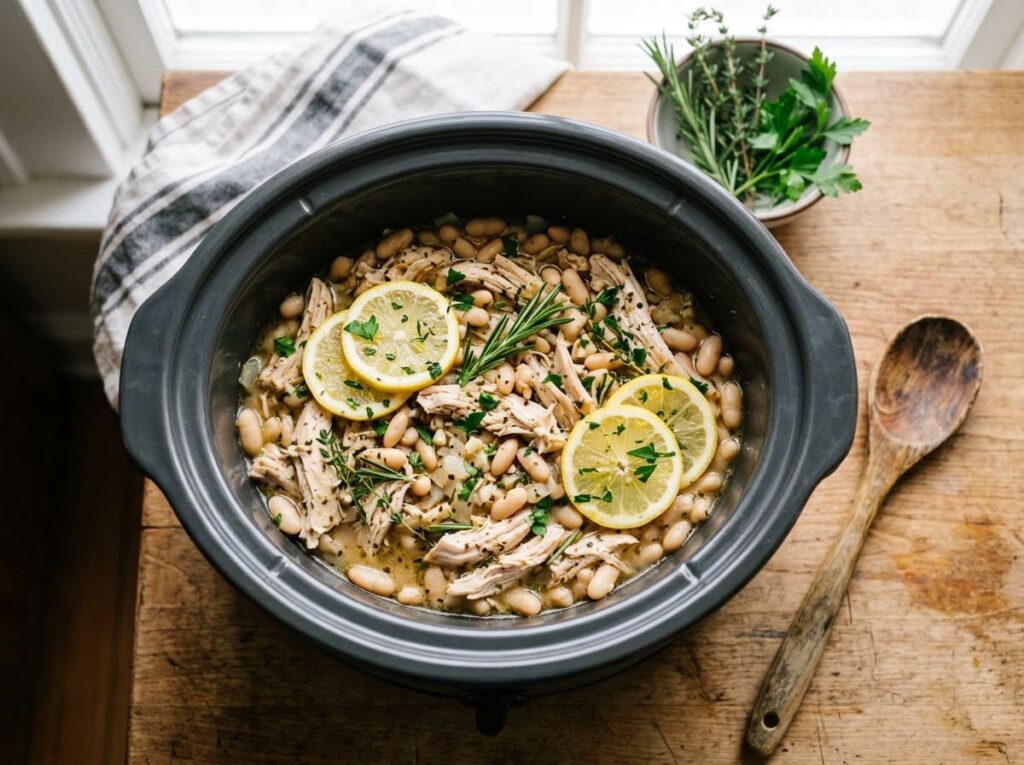
This one doesn’t need a jarred sauce at all, the chicken and beans create their own broth as they cook.
Layer skinless chicken thighs with white beans, lemon slices, garlic, and a mix of thyme and rosemary, then cook on low for six hours. The lemon breaks down into the broth as it cooks, giving the whole dish a brightness that heavier slow cooker meals usually miss entirely.
2. Turkey and Vegetable Chili Loaded With Three Kinds of Beans
Ground turkey swapped in for beef cuts the fat significantly without leaving the chili feeling thin or watered down.
Brown the turkey first, then combine with black beans, kidney beans, pinto beans, diced tomatoes, bell pepper, and a blend of chili powder and cumin. The three different beans add enough texture variety that nobody notices the beef is missing.
💡 Quick Tip
Browning the turkey first, even briefly, adds a depth of flavor the slow cooker alone can’t build.
3. Ginger Sesame Chicken Thighs Built Around Low Sodium Soy Sauce
Regular soy sauce alone can push a single serving past a full day’s worth of sodium, which defeats the purpose of an otherwise healthy dish.
- Whisk low sodium soy sauce with fresh ginger, garlic, and a small amount of honey.
- Pour over chicken thighs in the slow cooker and cook on low for five hours.
- Shred the chicken and stir it back through the sauce before serving.
4. Vegetable Barley Soup That Skips Cream Without Losing Body
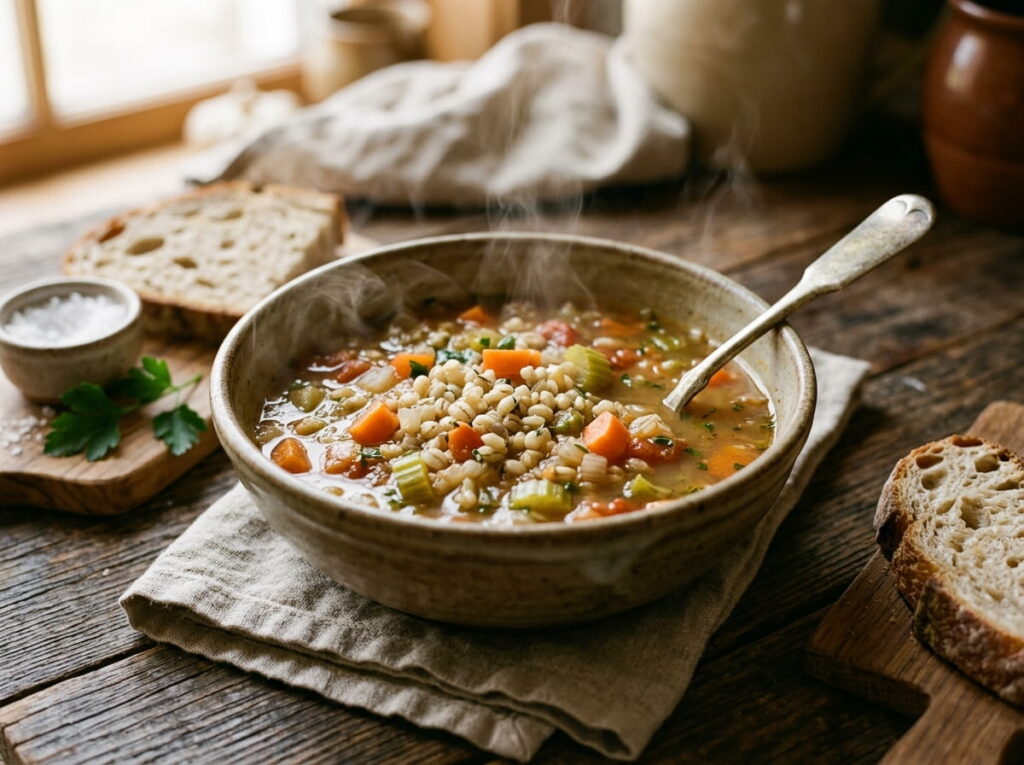
A lot of hearty soups lean on heavy cream for body, which adds a significant amount of saturated fat to something otherwise packed with vegetables.
Barley does that same thickening job naturally as it breaks down over the long cook time. Combine barley with carrots, celery, onion, and vegetable broth, and the soup thickens on its own into something that eats like a much richer dish than the ingredient list suggests.
Combine barley, chopped vegetables, and broth in the slow cooker.
Cook on low for 6 to 7 hours until the barley is tender.
Stir well before serving, the barley naturally thickens the broth.
5. Salsa Verde Chicken Shredded for Bowls Instead of Tacos
Skipping the tortilla entirely and building this one into a bowl keeps the meal centered on vegetables and protein instead of refined carbs.
Cook chicken breast in salsa verde with a little cumin, then shred and serve over cauliflower rice or a bed of greens with black beans and avocado. It’s the same flavor people love in verde tacos, just rebuilt around a base that fits clean eating better.
Serve over cauliflower rice or leafy greens.
Add avocado and black beans for real staying power.
Wrapping it in a flour tortilla out of habit.
Loading up on cheese and sour cream on top.
6. Lentil and Sweet Potato Stew for a Fully Plant Based Dinner
Lentils and sweet potatoes together cover enough protein and substance that meat genuinely isn’t missed in this one.
- Combine dried lentils, cubed sweet potato, diced tomatoes, and vegetable broth.
- Add cumin, smoked paprika, and a pinch of cinnamon for warmth.
- Cook on low for 6 hours, stirring once near the end to break up the sweet potato slightly.
What to grab first
7. Fresh Herbs Versus Dried, When Each Actually Belongs in a Slow Cooker
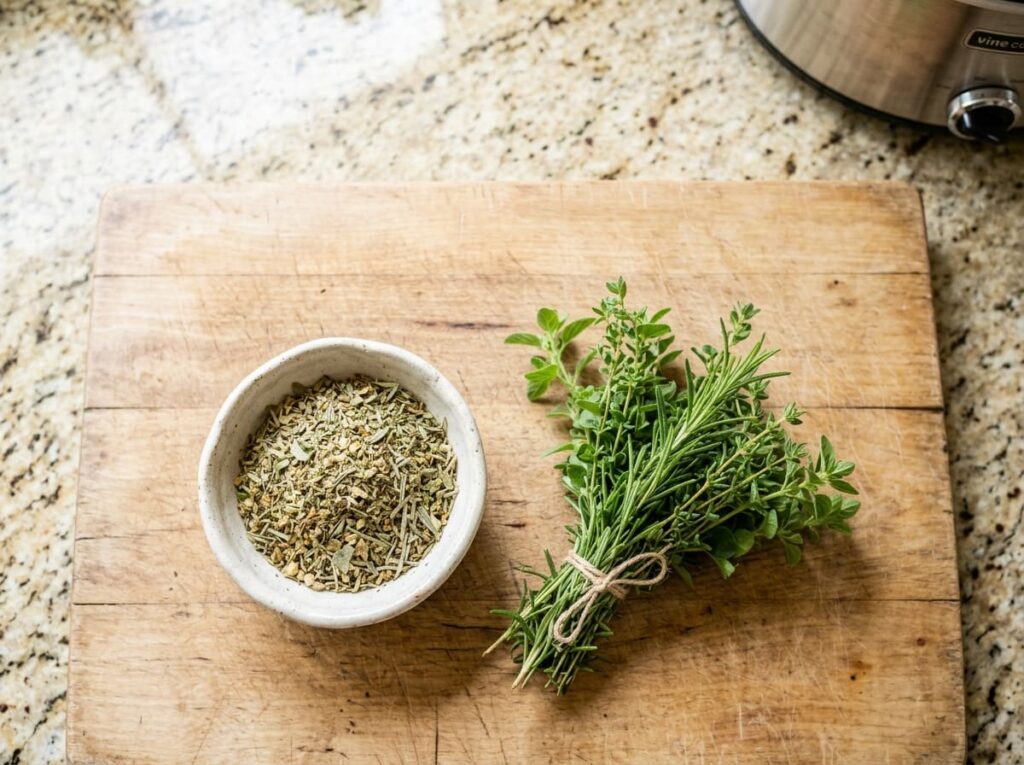
Fresh herbs tossed in at the start of a long cook often lose most of their flavor by the time the dish is finished.
Dried herbs hold up much better over six or more hours, since they’re already concentrated and release flavor slowly. Fresh herbs work best added in the final thirty minutes, keeping their brightness instead of cooking away entirely.
| Dried herbs | Fresh herbs |
|---|---|
| Add at the start, holds up over long cook times. | Add in the last 30 minutes for real flavor. |
| More concentrated, use less than fresh. | Loses brightness if cooked too long. |
8. Balsamic Pot Roast Trimmed of Excess Fat Before It Goes In
A pot roast can carry a surprising amount of visible fat, and trimming it before cooking makes a real difference in the final dish.
Trim any large fat cap off a lean cut like eye of round, then cook it with balsamic vinegar, garlic, and root vegetables. The vinegar tenderizes the meat over the long cook time, so cutting the fat doesn’t cost anything in tenderness.
A fatty cut left untrimmed, adding unnecessary saturated fat.
A lean, trimmed cut that stays just as tender.
9. The One Ingredient Swap That Cuts Sodium Without Losing Flavor
Most slow cooker recipes lean on regular broth and condensed soups, both of which are usually loaded with sodium before any other seasoning even gets added.
Swap in low sodium broth as the base for any recipe on this list, then season deliberately with herbs, garlic, and a little acid like lemon or vinegar. That single swap can cut a meaningful chunk of sodium without the dish tasting flat or underseasoned.
Swap in low sodium broth, then season with herbs and acid instead of salt.
10. Coconut Curry Chickpeas Built Around Light Coconut Milk
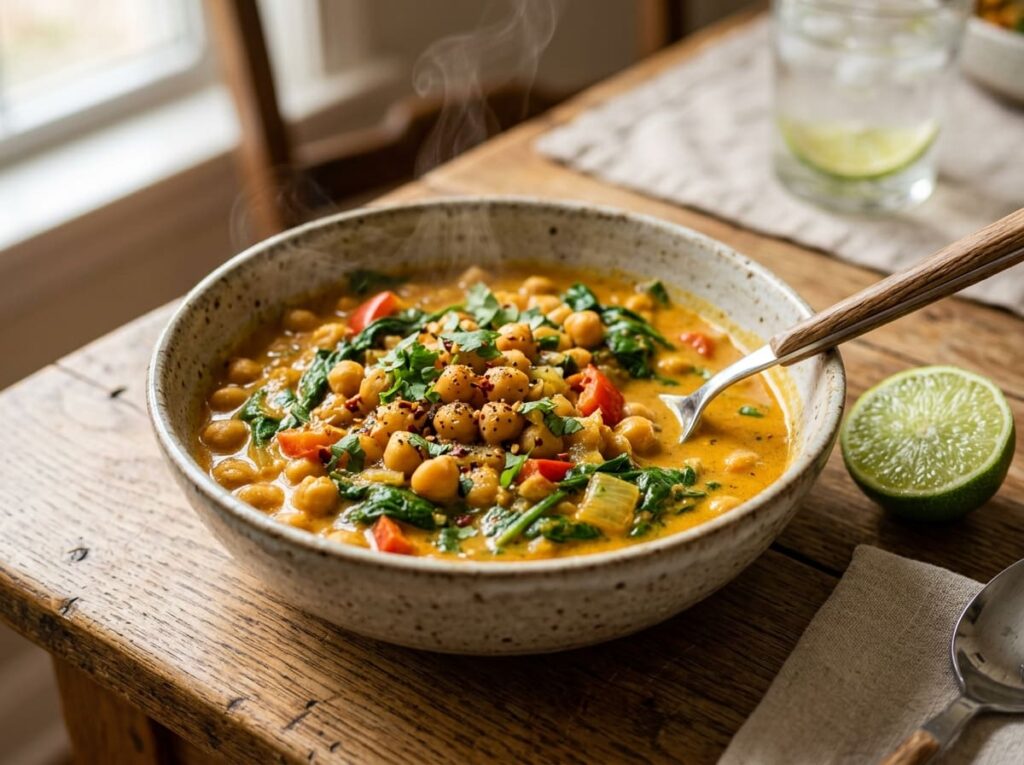
Full fat coconut milk gives curry its signature richness, but light coconut milk gets close enough that the difference is barely noticeable in a slow cooker version.
Combine chickpeas, light coconut milk, curry powder, diced tomatoes, and spinach, then cook on low for four hours. The long cook time lets the curry powder bloom fully into the coconut milk, so the lighter version still tastes deeply developed.
💡 Quick Tip
Stir the spinach in during the last 15 minutes, it wilts fast and doesn’t need the full cook time.
11. Shredded Buffalo Chicken Made Without the Usual Butter Base
A lot of buffalo chicken relies on melted butter to carry the sauce, which adds a fair amount of saturated fat to something that’s otherwise mostly lean protein.
Swap in a small amount of olive oil for the butter base, whisked with hot sauce and a touch of garlic powder before pouring over the chicken. The heat and tang carry the dish just as well, and the flavor difference is barely noticeable once it’s all shredded together.
12. Moroccan Spiced Chicken With Chickpeas and Warm Spices
Warm spices like cinnamon, cumin, and ginger do more heavy lifting in this dish than any added fat or sodium ever could.
- Combine chicken thighs, chickpeas, diced tomatoes, and dried apricots in the slow cooker.
- Season generously with cinnamon, cumin, ginger, and a pinch of cayenne.
- Cook on low for 6 hours, then finish with fresh cilantro before serving.
Combine chicken, chickpeas, tomatoes, and apricots in the pot.
Season heavily with warm spices before starting the cook.
Finish with fresh cilantro right before serving.
13. Five Vegetables That Hold Their Texture Through a Long Cook Time
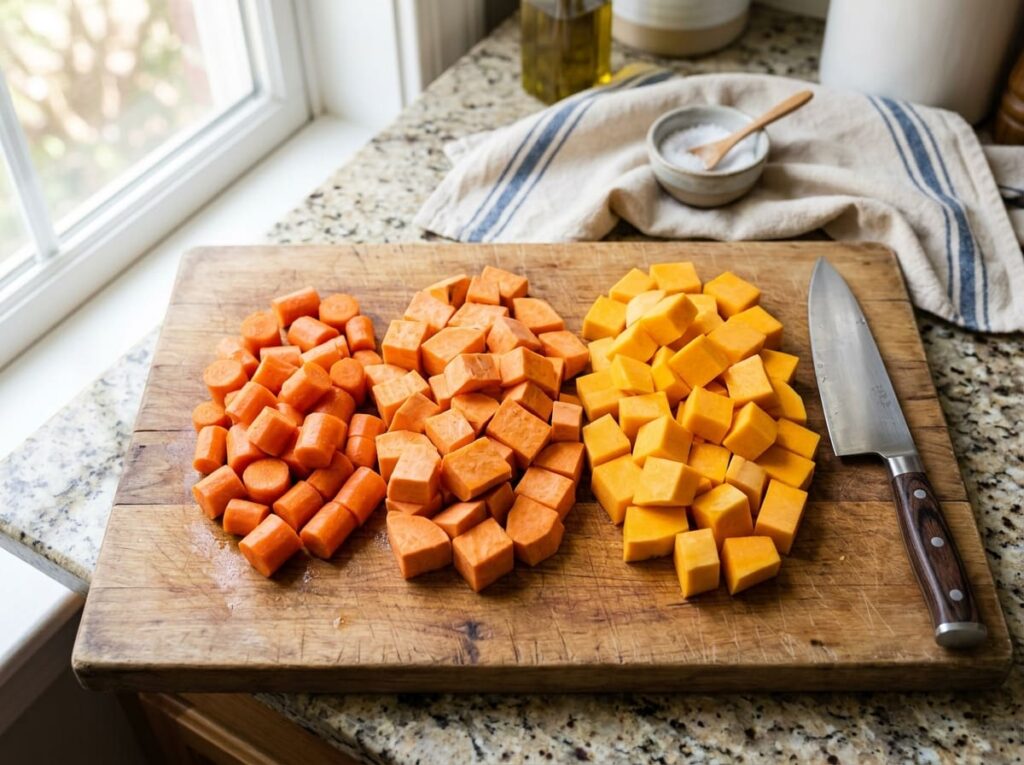
Some vegetables turn to mush after six hours in a slow cooker, and choosing the right ones keeps a healthy meal from turning into a watery blur.
Carrots, sweet potatoes, parsnips, celery, and butternut squash all hold their shape well even through a full day on low heat. Softer vegetables like zucchini or spinach are better added toward the end instead.
14. Black Bean and Corn Soup Built Entirely From Pantry Staples
No fresh shopping list needed here, this one comes together almost entirely from what’s already stocked in a normal pantry.
- Combine canned black beans, corn, diced tomatoes, and vegetable broth.
- Season with cumin, chili powder, and a bay leaf.
- Cook on low for 4 hours, then blend a portion for a thicker texture if desired.
What to grab first
15. Skinless Chicken Thighs Versus Breast for Slow Cooking Results
Both cuts work in a slow cooker, but they behave differently over a long cook time, and picking the right one changes the final texture.
Skinless thighs have more fat marbled through the meat, which keeps them tender and moist even after six or more hours. Breast meat can dry out over that same stretch of time unless it’s watched closely and pulled a little earlier than the recipe suggests.
Use skinless thighs for cooks over 5 hours.
Check breast meat earlier if that’s what’s on hand.
Leaving breast meat in for the full 8 hour setting.
Assuming both cuts behave exactly the same way.
16. Ratatouille Style Vegetable Stew Layered Instead of Stirred
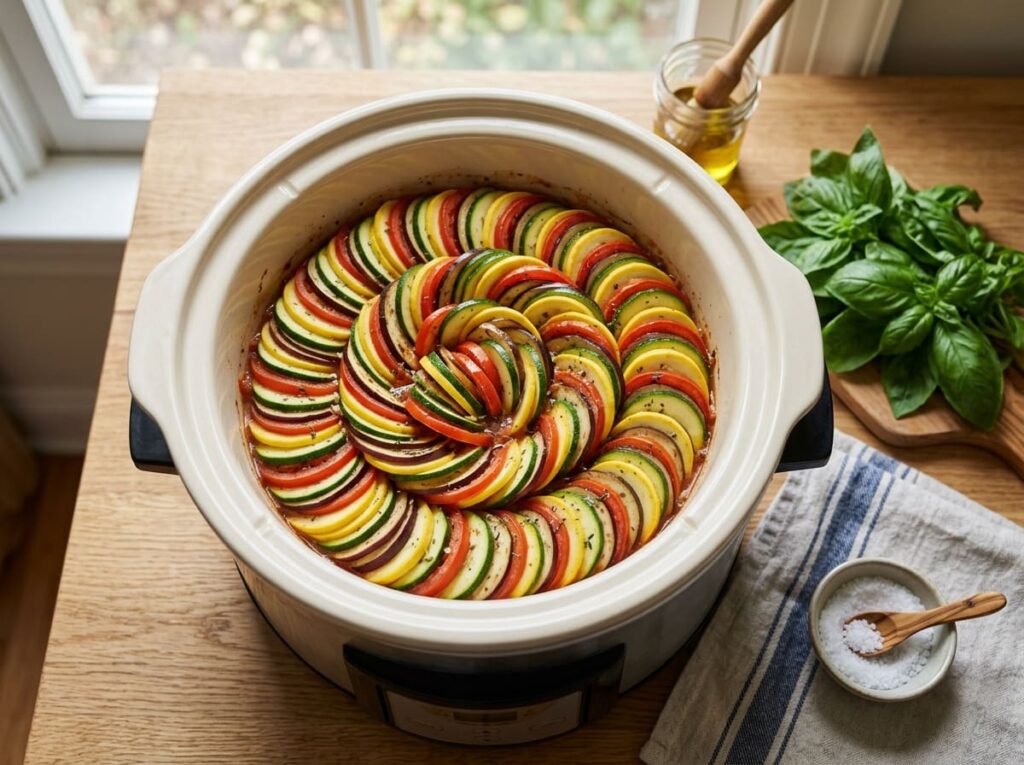
Stirring everything together at the start actually works against this dish, since the vegetables cook unevenly once they’re all jumbled up.
Layer eggplant, zucchini, bell pepper, and tomato in rings around the slow cooker instead of mixing them, similar to how a traditional ratatouille is arranged. Layering keeps each vegetable’s texture more distinct, rather than everything blending into one uniform mush by the end of the cook.
| Layered arrangement | Stirred together |
|---|---|
| Each vegetable keeps some distinct texture. | Everything cooks down into one uniform mush. |
| Looks more like a real ratatouille when served. | Looks more like a generic vegetable stew. |
17. Draining and Rinsing Canned Beans Before They Go in the Pot
Canned bean liquid carries a surprising amount of added sodium, and pouring it straight into the pot means starting the dish already behind on that front.
Drain and rinse canned beans under cold water for about fifteen seconds before adding them to any recipe on this list. That small habit removes a meaningful amount of sodium without changing the texture or flavor of the beans themselves.
Pouring the can straight in, liquid and all.
Drained and rinsed beans, meaningfully lower in sodium.
18. How to Keep a Healthy Slow Cooker Meal From Turning Out Watery
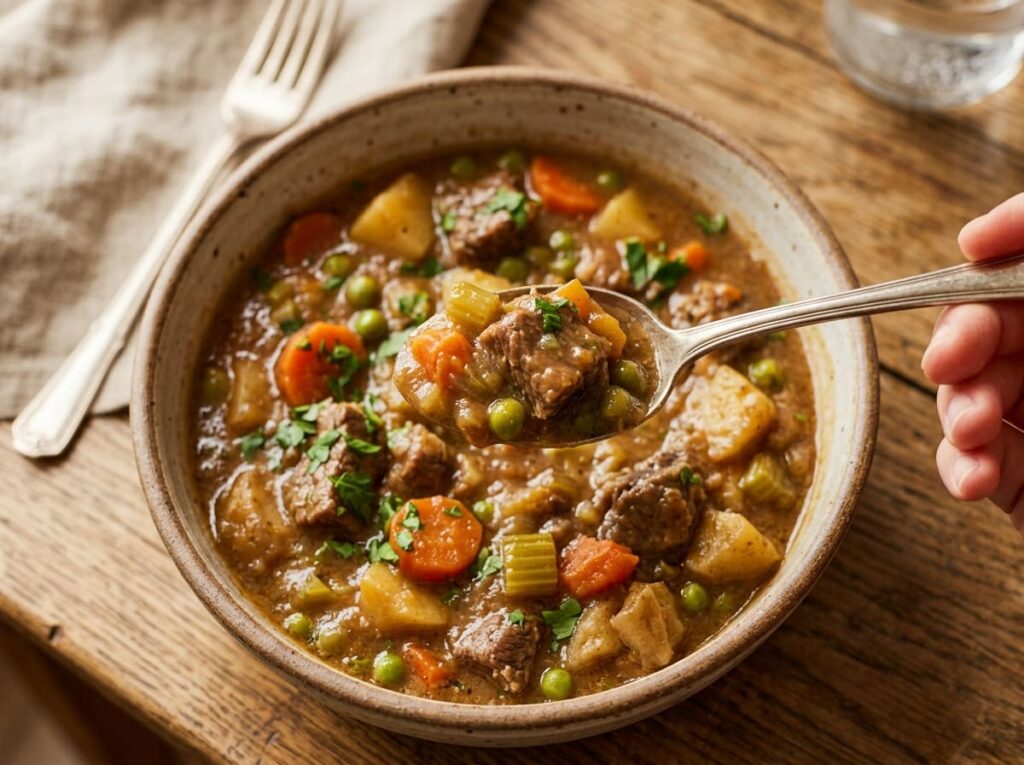
Vegetables release a surprising amount of liquid over a long cook time, which is usually why healthy slow cooker meals sometimes end up thinner than expected.
Reduce the added liquid slightly below what a stovetop version would call for, since the vegetables and protein contribute their own moisture as they cook. If the final dish still turns out thin, remove the lid for the last thirty minutes on high to let some of that extra liquid cook off.
Use less liquid than you think, vegetables release plenty of their own as they cook.
Conclusion
None of these require sacrificing flavor for the sake of eating clean, they just lean on real ingredients doing the work that cream soups and heavy sauces usually get credit for. These healthy slow cooker meals prove that a set it and forget it dinner can still hold up to a genuinely close look at what’s actually in it.
Pick two or three to start with, maybe the lemon herb chicken or the lentil sweet potato stew, and build from there as the pantry staples become familiar. Once the small swaps, like low sodium broth and rinsed beans, become second nature, almost any slow cooker recipe can get the same treatment.
Save this list for the next week that calls for dinner already handled by the time you walk in the door.